
Last medically reviewed by Dr. Pranay Shah: 23 November 2026.
Clinical Summary: The main things to avoid after IUI are painkillers such as ibuprofen unless your doctor approves them, and overheating (hot tubs, saunas, fever above 38.5°C). You do not need bed rest: resting 10-15 minutes after the procedure is enough and longer rest does not raise pregnancy rates. Keep taking any prescribed progesterone and wait about 14 days before a pregnancy test.
What Actually Happens Inside Your Body During the 14 Days After IUI?
The single most pervasive anxiety among women undergoing Intrauterine Insemination (IUI treatment) is that gravity will cause the washed sperm sample to “leak out” the moment they stand up. If several IUI cycles fail, the next step is usually IVF. Our IVF cost breakdown shows what that step involves.
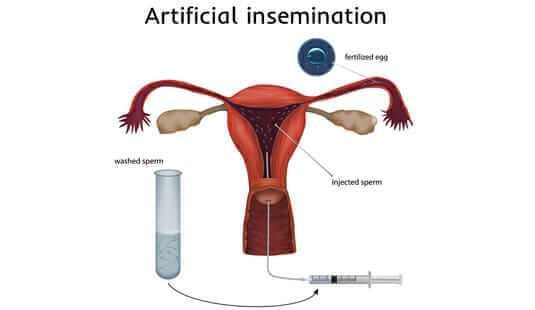
In human anatomy, the uterine cavity is not an open, gaping bottle; it is a potential space with anterior and posterior muscular walls resting flat against one another, cushioned by a thin film of physiological endometrial fluid. During IUI, washed, highly concentrated motile spermatozoa are deposited directly through a fine, flexible catheter into the mid-fundal uterine cavity. Within minutes, progressive sperm utilize active flagellar motility and uterine capillary action to migrate toward the uterotubal junctions and into the fallopian tubes.
What Clinical Trials Prove About Bed Rest
- The 10-to-15 Minute Clinic Standard: Multiple prospective randomized controlled trials and systematic reviews published in Human Reproduction have demonstrated that resting supine for 10 to 15 minutes immediately following the IUI procedure allows optimal fluid stabilization.
- The Inefficacy of Prolonged Home Bed Rest: Extending bed rest beyond 15 minutes—or spending days lying flat at home—confers zero statistical benefit to clinical pregnancy or live birth rates. In fact, prolonged immobility increases venous stasis, elevates maternal anxiety, and triggers emotional distress. You can safely stand up, use the restroom, walk to your vehicle, and resume normal daily activities immediately upon discharge.
What Should You Avoid After IUI?
To maximize implantation potential and protect developing embryos, patients should focus on evidence-based biological precautions rather than superstitious restrictions:
Category | What to Strictly Avoid | Why It Harms Implantation / Early Pregnancy | Evidence-Based Safe Alternative |
|---|---|---|---|
Pain Relief & Analgesics | NSAIDs: Ibuprofen, Naproxen, Diclofenac, Mefenamic Acid | Inhibit cyclooxygenase (COX-2) enzymes and prostaglandins essential for follicular rupture, vascular permeability, and blastocyst implantation | Acetaminophen (Paracetamol) for mild pelvic cramping or headache |
Physical Activity | High-Impact Workouts: Heavy weightlifting, intense abdominal crunches, sprinting, competitive sports | Can induce strong uterine contractions or pelvic pain, especially if ovaries are enlarged from ovulation induction | Moderate Daily Activity: Walking, light yoga, routine office desk work, gentle household chores |
Thermal Exposure | Core Hyperthermia: Hot water tubs, saunas, steam rooms, heating pads on lower abdomen | Sustained elevation of maternal core body temperature above 38.5°C is teratogenic to early cleavage cells and impairs uterine blood flow | Warm (not scalding) showers; loose, breathable cotton clothing |
Self-Medication | Unprescribed Antibiotics or Herbal Flushes: Unregulated Ayurvedic/herbal concoctions, vaginal douches | Disrupt protective Lactobacillus vaginal flora; unverified herbal supplements may cross-react with hepatic enzymes or stimulate uterine contractions | Strictly adhere to medications prescribed by your fertility specialist |
Habitual Toxins | Tobacco, Alcohol & Excess Caffeine: Active/passive cigarette smoking, alcohol, caffeine >200 mg/day (over 2 cups of coffee) | Induce vasoconstriction of uterine spiral arteries, elevate oxidative stress in follicular fluid, and impair early trophoblast invasion | Abundant hydration (water, tender coconut water, chaas); decaffeinated beverages |
Diagnostic Timing | Premature Home Urine Tests: Testing on Days 6 to 10 post-IUI | Yields false positives from residual hCG trigger shots or false negatives from dilute urine, causing severe emotional distress | Wait for the definitive serum beta-hCG blood test on Day 14 |
Can You Have Intercourse, Travel and Work After IUI?
Sexual Intercourse After IUI
Unless your fertility doctor explicitly instructs pelvic rest due to mild ovarian enlargement or acute spotting, sexual intercourse within 24 to 48 hours following IUI is not only safe, but may actually be beneficial:
- The primary IUI catheter delivers washed sperm directly to the uterus, but subsequent intercourse introduces seminal plasma into the lower reproductive tract.
- Seminal plasma contains transforming growth factor-beta (TGF-beta) and other immunomodulatory cytokines that signal the maternal immune system to tolerate the semi-allogeneic embryo, promoting healthy endometrial receptivity.
- However, if you experience significant ovarian bloating secondary to gonadotropin stimulation in women with PCOD or PCOS, gentle pelvic rest is sensible until symptoms resolve.
Commuting, Climbing Stairs, and Working
Patients in urban centers like Ahmedabad frequently ask whether climbing apartment stairs or commuting on uneven roads will dislodge an embryo. The human embryo is microscopic—measuring less than 0.15 mm—tucked securely between folded endometrial folds like a poppy seed between two slices of buttered bread. Routine walking, ascending stairs at a normal pace, and driving an automobile do not generate forces capable of dislodging an embryo.
Do You Need Progesterone Support After IUI?
When IUI is performed in a stimulated cycle (using Letrozole, Clomiphene, or injectable gonadotropins), ovarian stimulation can subtly alter natural luteal phase endocrinology. Rapid follicular development and GnRH agonist/hCG trigger administration can lead to premature luteolysis or a suboptimal luteal phase.
- Micronized Vaginal Progesterone: As confirmed in the Cochrane Database of Systematic Reviews, providing luteal phase progesterone support (typically natural micronized progesterone 200 to 400 mg daily via vaginal capsules or suppositories) supports endometrial decidualization and vascularization.
- Progesterone Side Effects: It is essential to recognize that exogenous progesterone naturally causes mild abdominal bloating, breast tenderness, constipation, and mild fatigue. These are direct pharmacological effects of the hormone, not an infallible confirmation of pregnancy.
Can Stress During the Two-Week Wait Affect IUI?
The 14-day window between insemination and the pregnancy test is arguably the most psychologically challenging phase of fertility treatment. Many women worry that normal feelings of anxiety, sadness, or work stress will “cause the IUI to fail.”
As discussed in our clinical analysis on stress and infertility facts vs. myths, everyday emotional tension does not constrict uterine arteries to the point of preventing implantation. Cortisol does not terminate a healthy developing embryo. Acknowledging your feelings, maintaining a balanced routine, and leaning on supportive counseling is far healthier than attempting to suppress every emotional reaction out of fear.
When male factor issues like borderline motility or concentration are involved, reviewing our comprehensive guidance on male infertility evaluations can help both partners stay informed and aligned throughout the process.
At Wellspring IVF & Women’s Hospital – our fertility center in Ahmedabad our medical team provides comprehensive pre- and post-IUI instructions so couples can navigate the two-week wait with complete clinical clarity and emotional confidence.
Frequently Asked Questions (FAQ)
Is light spotting or brownish discharge in the first 1 to 2 days after IUI normal?
No. Mild spotting or light brownish discharge within 24 to 48 hours of IUI is very common and typically arises from the gentle passage of the catheter through the vascular cervical canal. It does not originate from inside the uterine cavity and has no negative impact on conception.
Does my sleeping position after IUI affect implantation?
Yes. Your sleeping position has absolutely no biological effect on embryo implantation. The uterus is safely cushioned deep inside the bony pelvis, fully protected from external pressure.
Why should I not take a home pregnancy test before Day 14 after IUI?
If an hCG “trigger shot” (such as Ovitrelle or human chorionic gonadotropin 5,000 to 10,000 IU) was administered to induce ovulation, residual synthetic hormone remains detectable in your bloodstream and urine for up to 10 to 12 days. Taking an early home test can detect this medication residue rather than a true pregnancy, resulting in a misleading false-positive result. Always wait for your scheduled Day 14 blood beta-hCG test.
Scientific Citations & References
- Custers, I. M., et al. (2009). Immobilisation versus immediate mobilisation after intrauterine insemination: randomised controlled trial. BMJ, 339, b4080. PubMed
- Cochrane Gynaecology and Fertility Group. (2022). Luteal phase support for women trying to conceive by intrauterine insemination or sexual intercourse. Cochrane Database of Systematic Reviews, Issue 8, CD012396. PubMed
- Practice Committee of the American Society for Reproductive Medicine. (2020). Evidence-based treatments for couples with unexplained infertility: a guideline. Fertility and Sterility, 113(2), 305–322. ASRM
- Wilcox, A. J., et al. (1995). Timing of sexual intercourse in relation to ovulation. New England Journal of Medicine, 333(23), 1517–1521. PubMed