15+ Years Experience 6,000+ IVF Successes 70%+ Success Rate Book Your Consultation Today 15+ Years Experience 6,000+ IVF Successes 70%+ Success Rate Book Your Consultation Today
9099946050Book Consultation

Low Sperm Count Treatment in Ahmedabad — Lifestyle First, IVF Second

Oligospermia (low sperm count) means sperm concentration below 16 million/mL (WHO 2021). It's graded mild, moderate, or severe, and is one of the most treatable male-fertility conditions — often improving with lifestyle change, hormonal correction, or varicocele surgery before IVF is needed.
Oligospermia Treatment (Low Sperm Count) | Wellspring IVF & Women's Hospital, Ahmedabad

Your semen analysis report says "low sperm count." The number on that page feels like a verdict. But in most cases, it is not.
Unlike Azoospermia — where zero sperm in the ejaculate often requires direct surgical retrieval — Oligospermia (low sperm count) is one of the most treatable conditions in male fertility medicine. In many cases, the sperm count can be meaningfully improved through targeted lifestyle changes, hormonal correction, and medical management. Assisted conception may never even be necessary.
At Wellspring IVF & Women's Hospital in Ahmedabad, Dr. Pranay Shah takes a graduated approach: we do not rush you to IVF if your case does not require it. We assess severity, identify cause, and build the most appropriate plan — starting from the least invasive intervention and stepping up only if needed.

The Critical Distinction — Oligospermia vs. Azoospermia

Oligospermia = Low sperm count. Sperm is present, but below the threshold. Mild-to-moderate cases often respond to medical treatment.

Azoospermia = Zero sperm count. Sperm is absent from ejaculate. Requires surgical retrieval (TESA/PESA) + ICSI in most cases.

If your report shows any sperm at all — even a small number — you are in a significantly better position than a zero count. Your path forward is different, and often shorter.

Oligospermia (Low Sperm Count) — At a Glance

⚡ Oligospermia (Low Sperm Count) — At a Glance
DefinitionSperm concentration below 16 million per mL (WHO 2021 reference range)
Severity GradesMild (10–15M/mL)  |  Moderate (5–9M/mL)  |  Severe (<5M/mL)
PrevalenceAffects ~15% of infertile men. Most common male infertility diagnosis
The 3 ParametersCount (Concentration) + Motility (Swimming ability) + Morphology (Shape) — ALL matter
ReversibilityHigh — especially for lifestyle, hormonal, and varicocele-related causes
Treatment LadderLifestyle + Supplements → Medication → IUI → ICSI — based on severity
Key DifferenceUnlike Azoospermia (zero sperm), Oligospermia often responds to medical treatment first
SpecialistDr. Pranay Shah — Male Infertility & Sperm Health Specialist, Ahmedabad
Consultation📞 9099946050  |  Private & Confidential
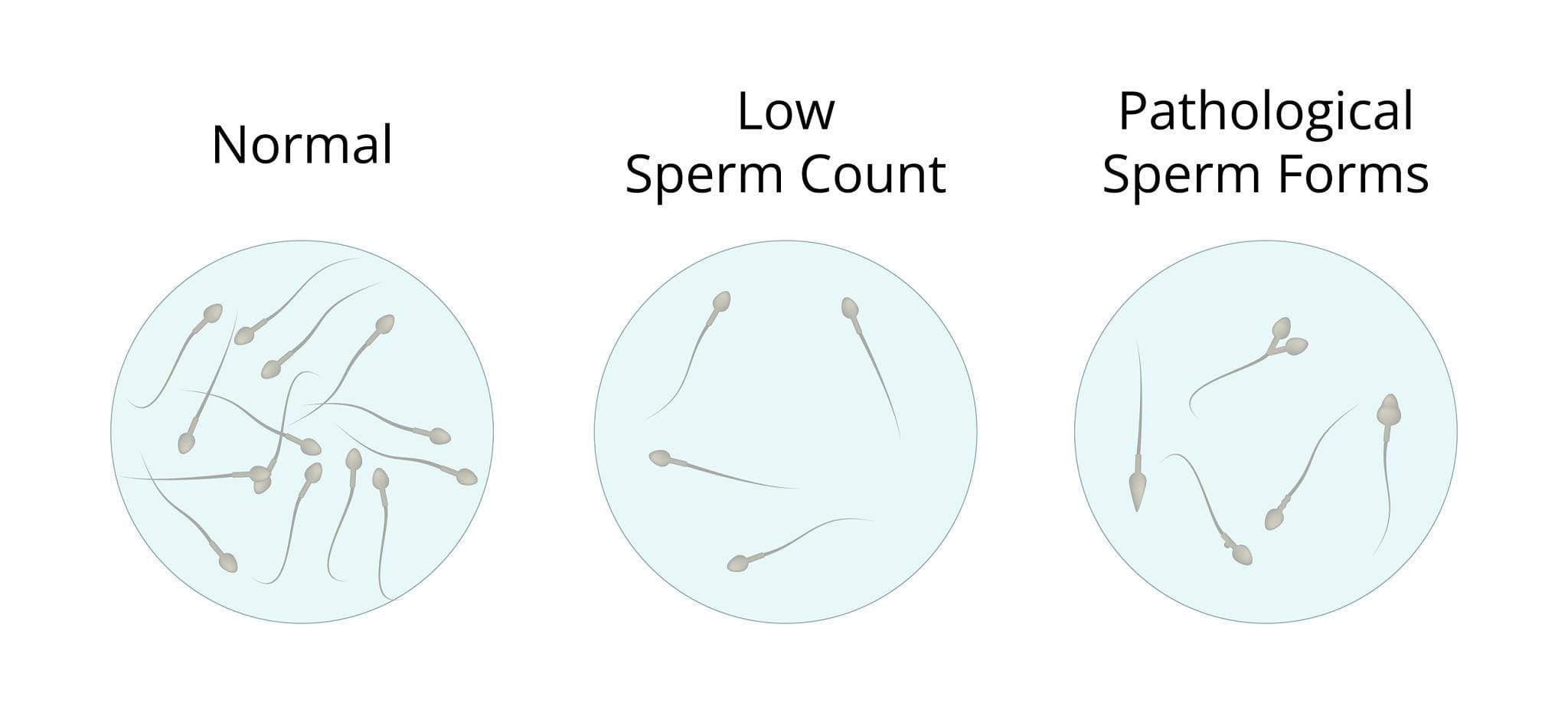
sperm morphology including low sperm count - oligospermia and teratozoospermia on microscopic view

What is Oligospermia? Understanding Your Semen Analysis Report

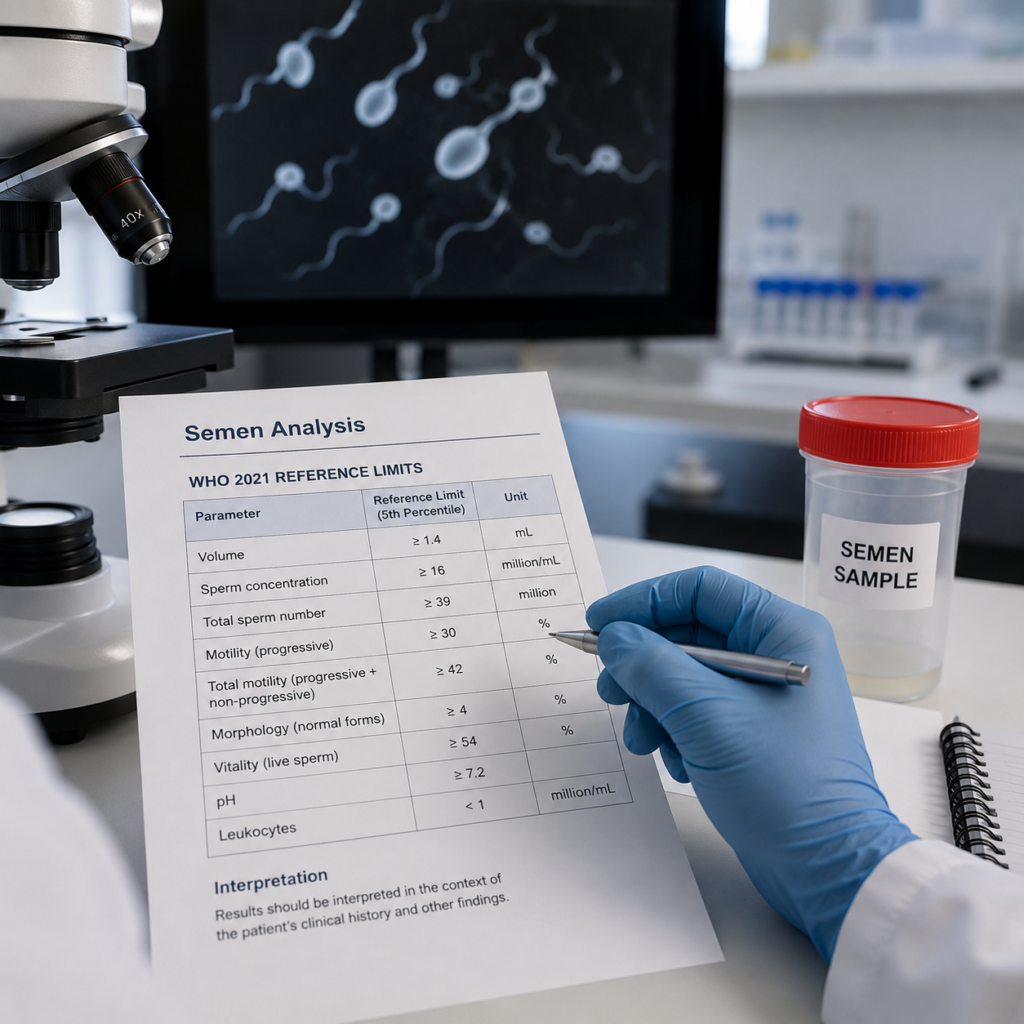
Oligospermia is defined as a sperm concentration below 16 million sperm per millilitre (mL), according to the latest WHO 2021 reference values. Many older references quote 20 million/mL — the standard was updated based on large-scale fertility outcome data.
But — and this is critical — sperm count alone is only one third of the story.

The 3 Parameters That Actually Determine Fertility

ParameterWHO Normal ReferenceWhy It Matters
Count (Concentration)≥ 16 million / mLTotal number of sperm available to reach the egg
Motility (PR)≥ 30% Progressive motilityAbility to swim forward in a straight line toward the egg
Morphology≥ 4% Normal forms (Kruger Strict)Shape of the sperm head — abnormal shapes cannot penetrate the egg
Total Motile Sperm Count (TMSC)≥ 9–10 millionThe most clinically important single number: Count × Volume × Motility %
Volume≥ 1.4 mLLow volume may suggest accessory gland issues or retrograde ejaculation

The Number That Matters Most: Total Motile Sperm Count (TMSC)

Rather than obsessing over sperm count alone, Dr. Shah focuses on the Total Motile Sperm Count (TMSC). This is calculated as:

TMSC  =  Volume (mL)  ×  Concentration (millions/mL)  ×  Motility (%)

  • TMSC > 10 million: Natural conception is possible. IUI may be considered.
  • TMSC 5–10 million: IUI is a reasonable first option with ovulation induction.
  • TMSC < 5 million: ICSI is most likely required for reliable conception.
  • TMSC < 1 million: Borders on severe Oligospermia / Crypto-Azoospermia. ICSI is the recommended path.

Watch Our Oligospermia Treatment Video

Learn practical ways to improve sperm count, sperm quality, and male fertility naturally and medically.

What You Will Learn

Understand the key factors that affect sperm production and fertility potential.

  • Causes of low sperm count
  • Ways to improve sperm health
  • Lifestyle changes for better fertility
  • When fertility treatment is needed

Severity Grades of Oligospermia — What Your Count Actually Means

Understanding your grade helps you understand what treatment level is appropriate. This prevents both under-treatment and over-treatment (rushing to IVF when IUI or lifestyle changes would work).
GradeSperm CountPrognosisTypical Treatment Path
Mild Oligospermia10–15 million/mLGood. Often improves with lifestyle + medsLifestyle + Supplements → Timed Intercourse → IUI
Moderate Oligospermia5–9 million/mLModerate. Medical treatment + IUI often successfulMedical management + IUI (2–3 cycles) → ICSI if needed
Severe Oligospermia< 5 million/mLRequires assisted conception in most casesICSI (direct sperm injection) with IVF. Lifestyle still helps.
Crypto-Azoospermia< 0.1 million/mLBorderline zero. Occasional sperm in ejaculate. When sperm count is not just low but absent, the diagnosis becomes azoospermia (nil sperm).Centrifuged semen analysis → ICSI or TESA as backup

Common Causes of Low Sperm Count — What We Investigate

Identifying the cause is not just academic — it directly determines whether treatment can reverse the condition or whether assisted conception is the primary route. Dr. Shah investigates systematically:

Varicocele — The Most Treatable Cause

What it is: Enlarged, varicose veins in the scrotum that raise testicular temperature, impairing sperm production and quality.

Prevalence: Found in 35–40% of infertile men with Oligospermia. Highly underdiagnosed on physical exam alone.

Diagnosis: Scrotal Doppler ultrasound — the gold standard. Graded 1–3 based on size.

Treatment: Varicocelectomy (microsurgical or laparoscopic ligation). Sperm count and motility often significantly improve within 3–6 months post-surgery.

Why it matters: Treating a varicocele can convert a case requiring ICSI into one where natural conception or IUI becomes possible.

Hormonal Imbalance — The Correctable Cause

What it is: Low testosterone, elevated FSH, elevated prolactin, or thyroid dysfunction all impair sperm production.

Diagnosis: Hormonal blood panel: FSH, LH, Total Testosterone, Prolactin, TSH, Oestradiol.

Treatment: Hormonal correction with Clomiphene Citrate (CC), Letrozole, HCG injections, or thyroid medication depending on the deficiency.

Expected improvement: Sperm count often improves within 3 months of hormonal correction — the time it takes for one complete sperm cycle (spermatogenesis) to complete.

Retrograde Ejaculation — The Output Issue

What it is:A condition where semen is redirected backward into the urinary bladder during orgasm instead of exiting through the penis, resulting in a very low ejaculate volume or an empty sample.

Diagnosis: Post-ejaculation urinalysis finding a high concentration of swimming sperm in the urine sample collected immediately after orgasm.

Why it matters: As hinted in our semen analysis volume parameters, low semen volume (<1.4 mL) combined with a low sperm count can point toward retrograde ejaculation rather than a pure production failure. Treating the underlying nerve or muscular cause (such as diabetes-related neuropathy or medications) or recovering sperm directly from post-orgasmic urine can successfully achieve fertilization via ICSI Treatment.

Lifestyle & Environmental Factors — The Modifiable Causes

Heat exposure: Laptop use on lap, hot baths, tight underwear — all raise scrotal temperature above the optimal 2–3°C below body temperature.

Smoking & alcohol: Directly damage sperm DNA, reduce count, and impair motility. The impact is dose-dependent and partially reversible within 3–6 months of cessation.

Obesity: Elevated body fat increases oestrogen conversion, reducing testosterone and suppressing spermatogenesis.

Anabolic steroids: Exogenous testosterone shuts down natural production. A common, often under-reported cause in young men. Recovery after stopping steroids can take 12–18 months.

Nutritional deficiencies: Low zinc, selenium, folate, CoQ10, and Vitamin D are all associated with reduced sperm production and quality.

Genetic Causes — Non-Reversible, But Not the End

Y-chromosome microdeletions (AZFc): Partial AZFc deletions — sperm present but in low numbers. ICSI is viable but genetic counselling is advised.

Klinefelter syndrome (47,XXY): Most common genetic cause of male infertility. Primary Testicular Failure. Micro-TESE may find sperm in some cases.

CFTR mutations: Associated with absent vas deferens — sperm produced but no exit path. TESA/PESA required.

Note: Genetic causes cannot be reversed — but sperm can often still be retrieved and used for ICSI. See full guide: Azoospermia & Genetic Evaluation

★★★★★ 5.0/5.0

What Our Patients Say

Real stories from real families who trusted us with their fertility journey
750+ Google Reviews  •  Verified Patient Testimonials
Ketan B. profile picture
Ketan B.
3 months ago
I visited many doctors before, but this doctor was the one who correctly identified my issue and provided the right treatment. I finally started seeing real results after consulting them. Very knowledgeable, attentive, and professional. Highly recommended.
vibha R. profile picture
vibha R.
3 months ago
Heartfelt thanks to the entire team of Wellspring Hospital. After feeling disappointed and losing hope at many places, coming here was the best decision.
A special thank you to Dr. Pranay Shah for his confidence, guidance, and the way he explained everything so patiently. His positive approach gave me so much strength, and today I am blessed with my baby.
Thank you to each and every member of the hospital for taking such great care of me and supporting me throughout this journey. Forever grateful. 💕
Kanal G. profile picture
Kanal G.
5 months ago
Some doctors treat symptoms. Rare ones treat the human being sitting in front of them.

He is, without a doubt, the most patient doctor I have ever met. Of course, treatment can be done by many. What truly sets him apart is his maturity, the way he pauses, explains, comforts, and most importantly, seeks your permission before moving forward. You never feel rushed. You never feel unheard. You feel respected.

And the staff deserves equal appreciation. They handle even the most anxious and impatient moments with such calm grace and dignity that you slowly find your own heartbeat settling down. It feels less like a clinic and more like a safe space.

I wholeheartedly recommend him to anyone who overthinks, seeks reassurance, or simply needs a doctor who believes comfort is the first step of healing. With him, care begins long before the treatment does.
Kul C. profile picture
Kul C.
7 months ago
Dr Shah is highly knowledgeable, through and dedicated. He explained every step of the process in simple terms, ensuring we were informed and comfortable. The entire team and staff are very kind and caring.
Highly recommend for their expertise, kindness and dedication. "Turned out dream into reality"
chandresh T. profile picture
chandresh T.
7 months ago
We had a great experience with Wellspring. Dr Pranay Shah is a very good person and possess the good knowledge. His guidance and treatment helped us fulfill our wishes. The hospital staff is also very kind and supportive. I strongly recommend Wellspring.
Ruchita S. profile picture
Ruchita S.
9 months ago
I want to express my heartfelt gratitude to Dr. Pranay Shah and the team at Wellspring IVF & Women’s Hospital. This journey is never easy, but Dr. Shah made me feel comfortable, cared for, and fully supported throughout the IVF process. Thank you
Mohamed I. profile picture
Mohamed I.
9 months ago
Our hearts are overflowing with gratitude and joy as we reflect on our incredible journey to parenthood, made possible by the extraordinary care and expertise of your team. The IVF process was, at times, daunting and exhausting, but your unwavering support, compassion, and professionalism helped us remain hopeful through every step. From the very first consultation to the celebratory moment when we learned our treatment was successful, we felt respected, understood, and truly cared for.Thank you for believing in us, never giving up, and guiding us through every challenge with warmth, patience, and encouragement. Your personalized guidance, gentle approach, and positive outlook gave us strength, and your medical skill brought our dream to life. We are forever grateful for your remarkable ability to merge empathy and science, giving hope to couples like us.
Our gratitude also extends to everyone in your clinic who offered a smile, reassurance, technical support, or a listening ear along the way. We feel incredibly blessed to have chosen your practice for our journey, and we will always cherish the precious gift you helped us receive.
Thank you, from the bottom of our hearts, for making our dream a reality.

Join 750+ Satisfied Families

Read all our verified Google reviews or share your own experience

The Treatment Ladder — Lifestyle First, IVF Second

This is the defining philosophy of Dr. Pranay Shah's approach to Oligospermia: we use the minimum necessary intervention to achieve pregnancy. Every rung of the ladder is attempted (where appropriate) before climbing to the next. Because a low count today can decline further, some men choose to freeze sperm now (sperm banking) — creating a reserve for ICSI before parameters worsen.

Rung 1: Lifestyle Optimisation (3 Months — All Grades)

For mild and moderate cases — and even as preparation for ICSI in severe cases — we begin with a structured 3-month lifestyle protocol. Sperm take approximately 72–90 days to develop (spermatogenesis). Any lifestyle change today will be reflected in the semen analysis in 3 months.

Stop Smoking & Reduce Alcohol

Smoking also raises sperm DNA fragmentation, which we test for and address separately. Stopping for 3 months can improve sperm count by 20–30% and significantly reduce DNA fragmentation. Alcohol above 2 units/day suppresses testosterone.

Achieve a Healthy BMI

For men with a BMI > 30, losing 5–10% body weight can normalise testosterone levels and meaningfully improve sperm count and motility.

Reduce Scrotal Heat

Switch to loose, cotton underwear. Avoid laptops on the lap, prolonged hot baths, and saunas. A 1–2°C reduction in scrotal temperature can improve sperm production.

Evidence-Based Supplements

Dr. Shah recommends an antioxidant protocol: CoQ10 (200–600mg), Zinc (25–50mg), Selenium (100–200mcg), Folate (400mcg), Vitamin D (if deficient), Vitamin C + E. These reduce oxidative stress — the primary sperm killer.

Manage Stress & Sleep

Chronic stress elevates cortisol, which suppresses testosterone production. 7–8 hours of quality sleep and stress reduction are not optional extras — they are active fertility treatments

Rung 2: Medical Treatment — Hormonal / Varicocele (3–6 Months)

If a hormonal cause or varicocele is identified, this runs concurrently with lifestyle changes or follows directly after:

  • Clomiphene Citrate (CC) / Letrozole: Increases FSH and LH stimulation to the testes. Used in hypogonadotropic hypogonadism (low FSH). Typically prescribed for 3–6 months.
  • HCG (Human Chorionic Gonadotropin) injections: Used to stimulate testosterone production when pituitary support is absent.
  • Varicocelectomy: Microsurgical or laparoscopic ligation of the varicocele veins. Post-surgery sperm improvements are seen in 60–70% of cases within 3–6 months.
  • Antioxidant medical therapy: Prescription-grade antioxidant combinations (e.g., Proxeed Plus, Fertile-M) used for 3–6 months in idiopathic Oligospermia. (Cochrane review on antioxidants for male subfertility)
  • Thyroid / Prolactin treatment: Cabergoline for hyperprolactinaemia; levothyroxine for hypothyroidism. Both can restore normal sperm production within 3 months.

Rung 3: IUI — Intrauterine Insemination (Mild–Moderate Cases)

When the count is only mildly reduced and post-wash motile count stays above 5 million, IUI is often tried first; more severe cases move to ICSI. IUI is simpler, less expensive, and less invasive than IVF.

  • How it works: The semen sample is washed and concentrated in the lab, and the highest-quality motile sperm are placed directly into the uterus at ovulation — giving them a much shorter distance to travel.
  • Sperm washing benefit: Even a low count semen sample often produces a usable concentrated motile sample after processing — this is why IUI works even with counts below 15 million/mL.
  • Success per cycle: 10–20% per cycle. Typically tried for 2–3 cycles before considering IVF.
  • Combined with: Ovulation induction for the female partner to ensure optimal timing.

Rung 4: ICSI with IVF — For Severe Oligospermia

When TMSC is < 5 million, or when 2–3 IUI cycles have not resulted in pregnancy, ICSI (Intracytoplasmic Sperm Injection) Treatment is the recommended next step.

  • Why ICSI, not conventional IVF: Conventional IVF requires thousands of motile sperm competing around each egg. ICSI requires only ONE viable sperm per egg — injected directly by the embryologist. Low count is not an obstacle.
  • Sperm source: Ejaculated sample (even very low count). Sperm is processed and the best available sperm are selected for injection.
  • Combined with: Full IVF stimulation cycle for the female partner to retrieve multiple eggs. To know complete treatment cost breakdown, read IVF+ICSI Cost Guide.
  • Success rate: 70%+ per cycle at the Wellspring IVF & Women’s Hospital — ICSI success is largely independent of sperm count once viable sperm are available.

“I see men who have been told to go straight for IVF when their count is 8 million/mL. That is not always the right advice. In many of these cases, we find a varicocele on scan, perform a varicocelectomy, and 4 months later the count is 25 million — and the couple conceives naturally or with IUI. IVF is a wonderful tool. But it is not always the first tool.”

Dr. Pranay Shah, MS (ObGy), Director & Chief Fertility Consultant, Wellspring IVF & Women’s Hospital, Ahmedabad

Your Fertility Consultant

Our fertility specialists are committed to providing personalized, compassionate care with
the latest reproductive medicine techniques.

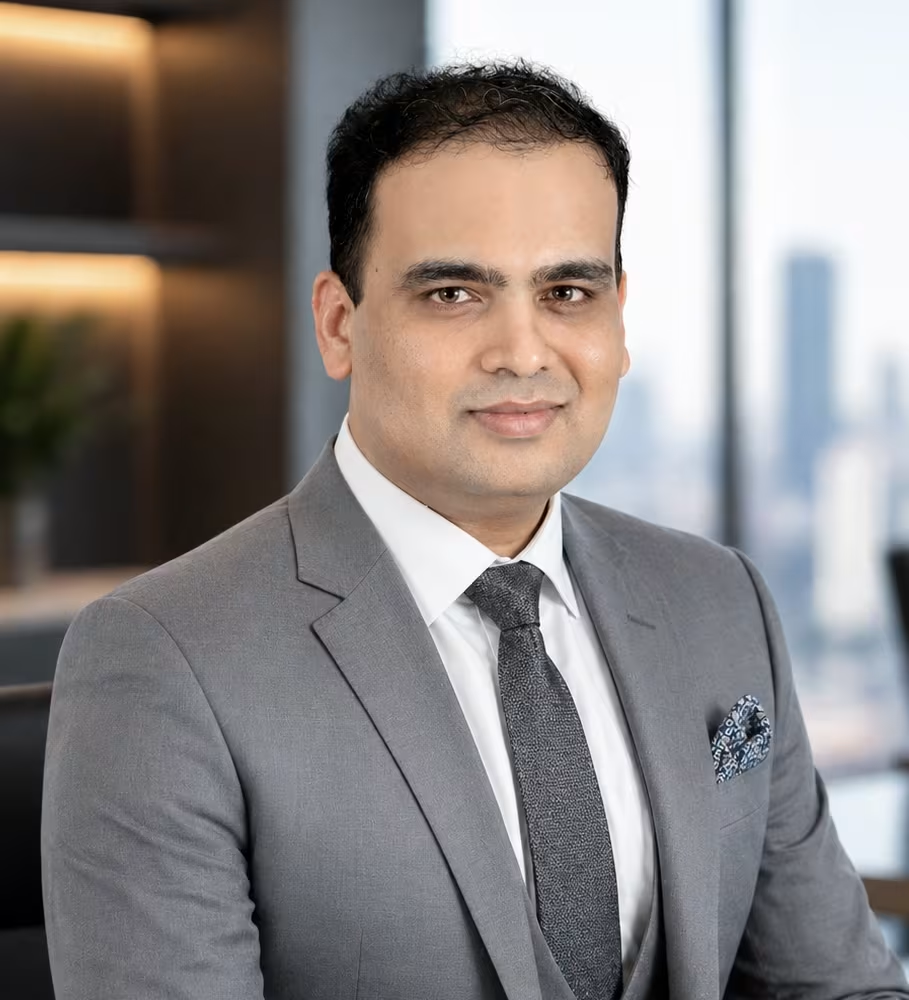
Dr. Pranay Shah fertility specialist and Best IVF doctor in Ahmedabad at Wellspring IVF & Women’s Hospital in professional formal portrait

Dr. Pranay Shah

Director & Chief Fertility Consultant
Divyesh Bhalodia Senior Embryologist at Wellspring IVF & Women’s Hospital Ahmedabad with more than 15 years of experience in IVF laboratory and embryo culture

Divyesh Bhalodia

Senior Embryologist
Urmi Chauhan embryologist at Wellspring IVF & Women’s Hospital Ahmedabad specializing in IVF laboratory and embryo culture procedures

Urmi Chauhan

Clinical Embryologist
Book Consultation

Low Sperm Count? Let’s Find the Cause.

Oligospermia is highly treatable. From evidence-based lifestyle changes and medical management to advanced reproductive therapies, we provide a graduated treatment path tailored to your specific severity grade. Don't rush into IVF until you know your options.

The Male Fertility Diet — What to Eat & What to Avoid

Nutrition has a direct, evidence-based impact on sperm production, motility, and DNA integrity. For a deeper guide, read how to increase sperm count naturally. Dr. Shah recommends the following:
EAT MORE — Sperm-Boosting Foods AVOID — Sperm-Damaging Foods
Walnuts, almonds, pumpkin seeds (zinc + omega-3)Processed / junk food (trans fats damage sperm membranes)
Dark leafy greens — spinach, methi (folate)Soy products in excess (phytoestrogens lower testosterone)
Eggs, lean meat, legumes (protein + selenium)Alcohol — more than 2 drinks/day significantly reduces count
Colourful vegetables — tomatoes, carrots, peppers (lycopene + antioxidants)Refined sugar & white carbs (raise insulin → lower testosterone)
Dark chocolate in moderation (CoQ10 + zinc)Plastic bottles / BPA containers (endocrine disruptors)
Fatty fish — salmon, mackerel (omega-3 DHA)Smoking — including passive exposure
Fresh fruit — pomegranate, blueberries (antioxidants)Anabolic steroids / testosterone supplements (shuts down production)

Frequently Asked Questions

Common questions about low sperm count, natural optimization, and specialized treatment options at Wellspring IVF.
Ask a Question

Related Insights & Articles

A Low Count Is Not a Final Answer.

Get a complete evaluation — not just a count. Dr. Pranay Shah will assess your cause, grade your severity, and build a personalised treatment plan. Lifestyle first, IVF only if needed.