PCOD and PCOS Treatment in Ahmedabad— A Stepped, Science-Based Approach
We want to say something clearly, right at the start: PCOD and PCOS are among the most treatable causes of infertility. The majority of women who come to Wellspring IVF & Women's Hospital in Ahmedabad with a PCOS diagnosis do not need IVF. Many do not even need advanced medication. What they need is the right diagnosis, the right lifestyle guidance, and — if fertility is the goal — a carefully sequenced treatment protocol that gives the least invasive approach the full chance it deserves before anything more complex is considered.
That is the philosophy Dr. Pranay Shah has practised for 15 years. It is called a Stepped Care Approach for PCOD & PCOS treatment in Ahmedabad, and it is the reason so many women leave our clinic not just pregnant — but genuinely informed about their own bodies.
PCOD and PCOS Treatment — At a Glance
| Parameter | Details |
|---|---|
| Condition | PCOD and PCOS (Polycystic Ovarian Disease or Syndrome) |
| Primary Cause | Hormonal Imbalance — Excess Androgens + Insulin Resistance |
| First-Line Treatment | Lifestyle Modification + Metformin (NOT IVF) |
| Ovulation Induction | Letrozole or Clomiphene — most patients respond within 3 cycles |
| IVF Required? | Only when ovulation induction fails — the last step, not the first |
| Pregnancy Possible? | Yes. With correct stepped care, most PCOS patients conceive naturally or with minimal intervention |
| Specialist | Dr. Pranay Shah — 15+ Years Experience | PCOS Fertility Expert |
| Consultation |  9099946050 | Second Opinion Available 9099946050 | Second Opinion Available |
What Is PCOD and PCOS? Understanding the Condition Before the Treatment
PCOD (Polycystic Ovarian Disease) and PCOS (Polycystic Ovarian Syndrome) are related hormonal conditions that affect the way a woman’s ovaries function. Although the names are often used interchangeably, there is a subtle difference: PCOD is generally considered a milder, more common condition where the ovaries produce many partially matured eggs that accumulate as small cysts. PCOS is a broader metabolic and endocrine disorder with more complex hormonal disruption.
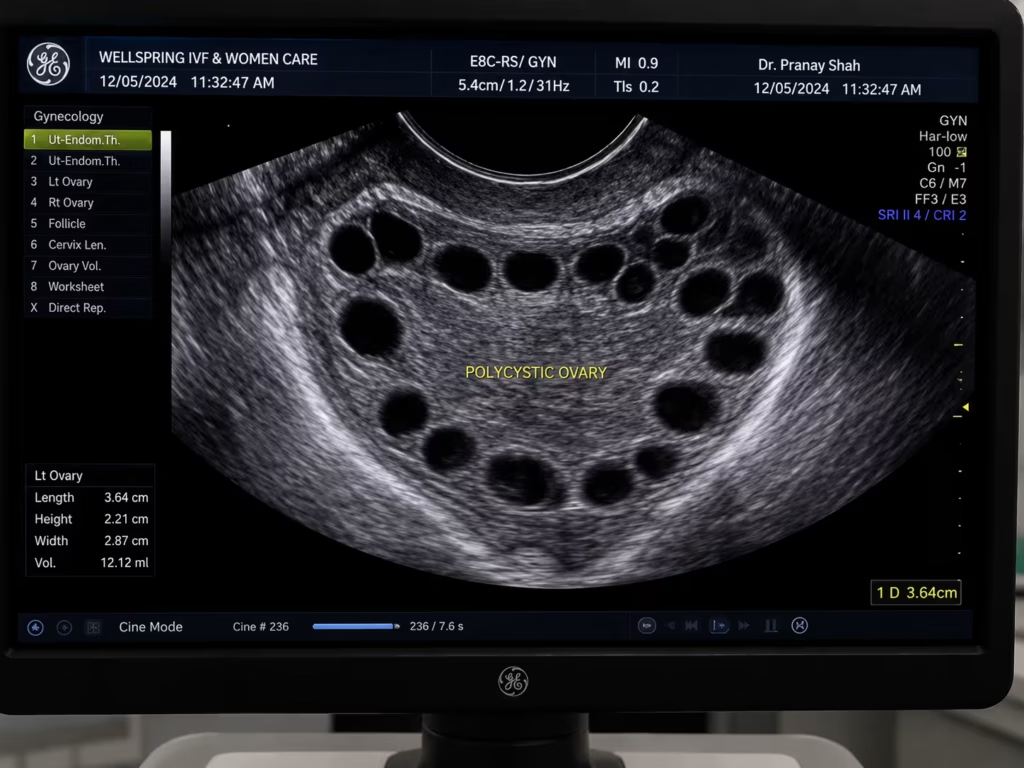
In both conditions, the ovaries produce excess androgens (male hormones like testosterone), which interferes with the normal process of ovulation. Rather than one mature egg being released each month, eggs remain trapped in follicles, causing the characteristic ‘string of pearls’ appearance on an ultrasound scan.
The root hormonal driver in most PCOS cases is insulin resistance. When the body’s cells do not respond efficiently to insulin, the pancreas produces more of it. Excess insulin then signals the ovaries to produce more androgens, creating a cycle that disrupts ovulation, metabolism, skin, hair, and mood simultaneously.
| Feature | PCOD (Polycystic Ovarian Disease) | PCOS (Polycystic Ovary Syndrome) |
|---|---|---|
| Classification | Lifestyle / endocrine condition | Endocrine and metabolic disorder |
| Severity | Milder; affects a large percentage of women | More complex; impacts ovulation and long-term health |
| Egg Release | Ovaries release many partially mature eggs | Ovaries fail to regularly release eggs (anovulation) |
| Conception Odds | Usually managed successfully with simple lifestyle changes or ovulation induction | Frequently requires structured fertility care (e.g., Letrozole, IUI, or IVF protocols) |
“PCOS is not just a fertility problem — it is a metabolic condition that affects the whole body. In my 15 years of treating PCOS patients in Ahmedabad, I have seen that when we address the root cause — insulin resistance, hormonal balance, and lifestyle — the ovaries often regulate themselves. We do not need to rush to IVF. We need to give the body what it is missing, in the right sequence.”
– Dr. Pranay Shah, MS (ObGy), Director, Wellspring IVF & Women’s Hospital
Common Symptoms of PCOD and PCOS
PCOS and PCOD present differently in different women. Some experience obvious, disruptive symptoms from their teens. Others have very subtle signs that only become apparent when they are trying to conceive. The most common symptoms include:
- Irregular or absent periods: cycles that are longer than 35 days, highly unpredictable, or absent for months.
- Unexplained weight gain: particularly around the abdomen, driven by insulin resistance rather than diet alone.
- Acne and oily skin: caused by elevated androgen levels stimulating excess sebum production.
- Hirsutism (excess facial or body hair): fine hair appearing on the chin, upper lip, chest, or abdomen.
- Hair thinning or scalp hair loss: androgenic alopecia pattern, similar to male-pattern thinning.
- Mood changes, anxiety, or depression: linked to hormonal fluctuations and the psychological burden of managing chronic symptoms.
- Fatigue: related to poor glucose metabolism and disrupted sleep.
- Difficulty conceiving: due to absent or infrequent ovulation — the primary fertility impact of PCOS.
You do not need to have all of these symptoms to have PCOS. A diagnosis is typically confirmed by the Rotterdam Criteria — the presence of at least two of three features: irregular ovulation, elevated androgen levels, and polycystic ovaries on ultrasound.
PCOS Beyond Fertility: Why Early Treatment Matters Even If You Are Not Planning Pregnancy
Many women think PCOS only becomes important when they are trying to conceive. In reality, polycystic ovary syndrome (PCOS) is a lifelong hormonal and metabolic condition that can affect your overall health from adolescence through menopause. Seeking timely evaluation and appropriate treatment is not only important for fertility but also for protecting your long-term health and quality of life. International evidence-based guidelines recommend lifelong assessment and management of the reproductive, metabolic, cardiovascular and psychological aspects of PCOS.
At Wellspring IVF & Women’s Hospital, we encourage women to seek medical advice even if pregnancy is not currently a goal. Early diagnosis and appropriate lifestyle and medical management can help reduce symptoms, improve hormonal balance and lower the risk of future health complications.
Long-Term Health Risks Associated with PCOS
| Health Area | Why It Matters |
|---|---|
| Type 2 Diabetes | Insulin resistance increases the risk of prediabetes and type 2 diabetes, even in women who are not overweight. |
| High Cholesterol | PCOS may contribute to unhealthy cholesterol levels, increasing future cardiovascular risk. |
| High Blood Pressure | Some women develop hypertension earlier than expected, particularly when obesity or metabolic syndrome is present. |
| Heart Health | PCOS is associated with an increased burden of cardiovascular risk factors, making long-term prevention important. |
| Endometrial Health | Infrequent menstrual periods can allow the uterine lining to build up, increasing the risk of endometrial hyperplasia and, over many years, endometrial cancer. |
| Mental Health | Anxiety, depression, reduced self-esteem, and body image concerns are more common in women with PCOS. |
| Sleep Disorders | Women with PCOS, particularly those with obesity, have a higher prevalence of obstructive sleep apnoea. |
Why Insulin Resistance Is Central to PCOS
One of the most important drivers of PCOS is insulin resistance. When the body becomes less responsive to insulin, the pancreas produces more insulin to maintain normal blood sugar levels. Higher insulin levels stimulate the ovaries to produce excess androgens (male hormones), contributing to irregular periods, acne, excessive facial hair growth and difficulty with ovulation.
Not every woman with PCOS has insulin resistance, and not every woman with insulin resistance is overweight. Even women with a normal body weight (“lean PCOS”) may have metabolic abnormalities and should receive appropriate assessment.
Can PCOS Be Prevented from Getting Worse?
Although there is currently no permanent cure for PCOS, early intervention can significantly reduce symptoms and lower the risk of long-term complications. Most women can achieve excellent symptom control through a combination of lifestyle changes, appropriate medications and regular medical follow-up.
Key preventive strategies include:
- Maintaining a healthy body weight or achieving gradual weight loss where appropriate.
- Following a balanced, high-fibre diet rich in vegetables, fruits, lean protein and whole grains.
- Engaging in at least 150 minutes of moderate physical activity each week.
- Managing insulin resistance with lifestyle measures and medications when indicated.
- Regulating menstrual cycles to protect the uterine lining.
- Monitoring blood sugar, cholesterol and blood pressure at regular intervals.
- Prioritising adequate sleep and stress management.
- Seeking medical review if periods become absent for prolonged periods, symptoms worsen or new concerns develop.
Recommended Health Check-ups for Women with PCOS
PCOS management should continue even if pregnancy is not planned. Regular follow-up allows early identification of metabolic and hormonal complications.
| Health Check | Why It Is Important |
|---|---|
| Weight, BMI and Waist Circumference | Monitor obesity and metabolic risk. |
| Blood Pressure | Screen for hypertension. |
| Blood Sugar Assessment (HbA1c, fasting glucose or oral glucose tolerance test where appropriate) | Detect prediabetes and diabetes early. |
| Lipid Profile | Assess cholesterol and cardiovascular risk. |
| Menstrual Pattern | Ensure regular shedding of the uterine lining and reduce the risk of endometrial hyperplasia. |
| Mental Health Assessment | Screen for anxiety, depression and quality-of-life concerns. |
| Sleep Assessment | Evaluate symptoms suggestive of obstructive sleep apnoea in women at increased risk. |
PCOS Through Every Stage of Life
| Life Stage | Clinical Focus & Management |
|---|---|
| Teens (13–19 years) | Irregular periods, acne, excess hair growth, healthy lifestyle habits, and early diagnosis. |
| 20s | Weight management, insulin resistance, menstrual regularity, skin concerns, and future fertility preservation. |
| 30s | Pregnancy planning, fertility assessment, metabolic health, and cardiovascular risk reduction. |
| 40+ years | Diabetes prevention, heart health, endometrial protection, menopause transition, and long-term wellness. |
Watch Our Video on PCOS/PCOD and Weight loss difficulty
Learn why weight loss becomes difficult in PCOS/PCOD and how hormonal and metabolic factors affect body weight.
What You Will Learn
Understand the connection between PCOS, insulin resistance, and weight management.
- PCOS and weight gain explained
- Insulin resistance and metabolism
- Common weight loss challenges
- Effective lifestyle and treatment strategies
The Wellspring Stepped Care Approach for PCOD and PCOS
Lifestyle Modification — The Foundation of PCOS Management
For many women with PCOS, particularly those who are overweight or insulin-resistant, targeted lifestyle changes produce results that no medication can match. This is not a generic ‘eat healthy and exercise’ directive — it is a structured protocol.
- Targeted weight reduction of 5–10% of body weight, which can spontaneously restore ovulation in many PCOS patients without any medication.
- Low-GI dietary modifications that reduce insulin spikes — shifting the body’s metabolic environment to support regular ovulation.
- Structured daily physical activity — 30–45 minutes of moderate exercise proven to improve insulin sensitivity and hormone profiles.
- Stress reduction techniques — cortisol is a significant disruptor of the HPO (hypothalamic-pituitary-ovarian) axis and worsens PCOS symptoms.
Metformin — Targeting the Root Cause (Insulin Resistance)
Where lifestyle changes alone are insufficient, particularly in patients with confirmed insulin resistance or elevated fasting insulin, we introduce Metformin. This is a medication familiar from diabetes management, but in PCOS it works by improving the body’s sensitivity to insulin — which reduces androgen production and often restores ovulation.
- Metformin reduces circulating insulin levels, which in turn lowers androgen production from the ovaries.
- It supports weight loss in insulin-resistant patients, making lifestyle changes more effective.
- It can improve menstrual regularity and, in some women, restore spontaneous ovulation.
Ovulation Induction — Letrozole or Clomiphene (For Fertility)
For patients whose goal is pregnancy and who are not ovulating on lifestyle and Metformin alone, the next step is ovulation induction. This is a simple, non-invasive oral medication protocol that stimulates the ovaries to develop and release one healthy egg per cycle.
Letrozole (our first choice for PCOS)
Current evidence strongly supports Letrozole as the preferred ovulation induction agent in PCOS over Clomiphene. It produces a more physiological hormone response, with better endometrial lining development and higher live birth rates per cycle in PCOS patients.
Clomiphene Citrate
Remains a valid option in specific clinical situations. It works by blocking oestrogen receptors in the brain, triggering a hormonal cascade that stimulates egg development.
For clomiphene-resistant PCOS, laparoscopic ovarian drilling can restore natural ovulation in 70–80% of previously anovulatory women, without the OHSS risk of injectables.
All ovulation induction cycles at Wellspring are carefully monitored with serial ultrasound scans to track follicle development and time intercourse or IUI optimally. PCOS often means a high egg yield — for women wanting to delay motherhood, that makes egg freezing especially efficient.
IUI — Intrauterine Insemination (If Ovulation Induction Alone Is Insufficient)
If ovulation induction is successful (confirmed egg release) but pregnancy has not occurred after 3–4 monitored cycles, we consider adding IUI Treatment to the protocol. In IUI, a processed and concentrated sperm sample is placed directly into the uterus at the confirmed time of ovulation, increasing the probability of fertilisation. For women with PCOS who don’t ovulate regularly, IUI with ovulation induction is usually the first-line treatment — timing a precise trigger to a monitored cycle before IVF is ever considered.
IVF — Only When Clinically Justified
IVF is recommended for PCOS patients only when the above steps have been given a genuine clinical trial and have not resulted in pregnancy. Specific situations where IVF becomes the appropriate next step include:
- Confirmed tubal factor alongside PCOS — IUI cannot bypass this barrier.
- Significant male factor infertility present simultaneously.
- Age above 35 with declining ovarian reserve.
- Resistance to 6+ cycles of ovulation induction.
Note: Because PCOS raises OHSS risk during stimulation, Dr. Shah may recommend a freeze-all cycle — freezing all embryos and transferring later in a calm, prepared cycle. At Wellspring IVF & Women’s Hospital, we frequently recommends a Freeze-All approach for PCOS patients to significantly reduce OHSS risk while maintaining excellent outcomes.
Your Fertility Consultant
Our fertility specialists are committed to providing personalized, compassionate care with
the latest reproductive medicine techniques.

Dr. Pranay Shah
Divyesh Bhalodia
Urmi Chauhan
How PCOD and PCOS Specifically Affects Your Fertility
The primary fertility impact of PCOS is anovulation — the absence of regular ovulation. Without a released egg, pregnancy is not possible in a natural cycle.
However, it is important to understand that PCOS patients typically have a normal or even high number of antral follicles and a good ovarian reserve.
The problem is not egg quantity — it is the hormonal environment preventing those eggs from maturing and releasing. This is genuinely good news. It means that once the hormonal disruption is corrected — whether through lifestyle, medication, or assisted reproduction — the underlying egg reserve is often healthy and responsive.
Many of our PCOS patients who were deeply concerned about their fertility have achieved pregnancy with relatively simple, low-cost interventions.
Can I Get Pregnant with PCOS?
Yes, you can get pregnant with PCOS. While PCOS is a leading cause of ovulatory infertility, the vast majority of women with PCOS achieve successful pregnancies with the right medical guidance, targeted ovulation induction, or stepped fertility care (such as Letrozole or IUI), without necessarily needing advanced IVF.
What Our Patients Say


A special thank you to Dr. Pranay Shah for his confidence, guidance, and the way he explained everything so patiently. His positive approach gave me so much strength, and today I am blessed with my baby.
Thank you to each and every member of the hospital for taking such great care of me and supporting me throughout this journey. Forever grateful. 💕

He is, without a doubt, the most patient doctor I have ever met. Of course, treatment can be done by many. What truly sets him apart is his maturity, the way he pauses, explains, comforts, and most importantly, seeks your permission before moving forward. You never feel rushed. You never feel unheard. You feel respected.
And the staff deserves equal appreciation. They handle even the most anxious and impatient moments with such calm grace and dignity that you slowly find your own heartbeat settling down. It feels less like a clinic and more like a safe space.
I wholeheartedly recommend him to anyone who overthinks, seeks reassurance, or simply needs a doctor who believes comfort is the first step of healing. With him, care begins long before the treatment does.

Highly recommend for their expertise, kindness and dedication. "Turned out dream into reality"



Our gratitude also extends to everyone in your clinic who offered a smile, reassurance, technical support, or a listening ear along the way. We feel incredibly blessed to have chosen your practice for our journey, and we will always cherish the precious gift you helped us receive.
Thank you, from the bottom of our hearts, for making our dream a reality.
Join 750+ Satisfied Families
Related Fertility Conditions We Commonly See Alongside PCOS
PCOS sometimes co-exists with other conditions that require separate evaluation and management. At Wellspring IVF, a comprehensive diagnostic workup ensures nothing is missed:
- Endometriosis — can co-exist with PCOS and requires separate laparoscopic assessment.
- Low AMH and Poor Ovarian Reserve — though less common in PCOS patients, it can occur, particularly after 35.
- Uterine Fibroids — may be found incidentally during PCOS evaluation ultrasound.
- Blocked Fallopian Tubes — important to rule out before initiating ovulation induction, as it changes the treatment pathway.
- Male Factor Infertility — a semen analysis is part of our first-visit evaluation. We also evaluate for conditions like Azoospermia and Oligospermia.
Why Women in Ahmedabad Trust Dr. Pranay Shah for PCOS Treatment
Dr. Pranay Shah has treated hundreds of PCOS patients across the spectrum — from young women managing symptoms to couples in their mid-30s who have been trying to conceive for years. His approach is defined by three principles that are often missing in routine fertility care:
Genuine Diagnostic Depth
Not all PCOS is the same. Dr. Shah reviews your full hormonal panel before making any treatment recommendation.
Respect for the Stepped Care Sequence
We do not skip steps. We will only recommend IVF when it is the medically appropriate next step.
Clear Communication at Every Step
Every patient at Wellspring leaves their consultation understanding their diagnosis, the reasoning behind each treatment recommendation, and the realistic probability of success.
Frequently Asked Questions
Are PCOD and PCOS the same condition?
They are related but not identical. PCOD typically refers to a milder hormonal imbalance where multiple immature follicles accumulate in the ovaries. PCOS is a broader metabolic and endocrine disorder with more pronounced hormonal disruption. Both are treatable.
Can I get pregnant naturally with PCOS?
Yes — and many women do. PCOS causes infrequent or absent ovulation, but it does not prevent conception when ovulation is restored.
Will I always need IVF if I have PCOS?
No. IVF is the last step in our protocol, recommended only when simpler approaches have not been successful, or when there is an additional fertility factor. Most PCOS patients respond well to ovulation induction with Letrozole.
Does losing weight really help with PCOS fertility?
Yes — significantly. In women with PCOS who are overweight or obese, a 5–10% reduction in body weight has been shown in multiple studies to restore spontaneous ovulation and improve pregnancy rates.
What is the risk of OHSS during IVF for PCOS patients?
PCOS patients do carry a higher risk of OHSS during IVF. Dr.Pranay Shah at Wellspring IVF manage this through personalised, low-dose stimulation protocols and a Freeze-All approach, which virtually eliminates severe OHSS.
How do PCOD/PCOS affect the success rates of other fertility treatments like IUI or IVF?
While PCOD and PCOS primarily cause fertility struggles due to irregular ovulation, they generally do not impact egg quality or ovarian reserve negatively. In fact, women with these conditions often have a robust supply of eggs. Once ovulation is successfully induced or managed through treatments like IUI Treatment or IVF, the success rates are highly favorable—frequently matching or exceeding average success rates for patients of a similar age.
What role does Metformin play if I am not diabetic but have PCOS?
Metformin is traditionally a medication used to manage type 2 diabetes, but it is highly effective for PCOS patients due to the underlying link with insulin resistance. Even if your blood sugar levels appear normal on standard tests, your body may be producing excess insulin to keep them balanced. This high level of insulin triggers the ovaries to produce excess male hormones (androgens), disrupting ovulation. Metformin helps improve your body’s insulin sensitivity, which lowers androgen production and can help restore a regular, natural menstrual cycle.
Related Fertility Conditions We Commonly See Alongside PCOS
Related Insights & Articles
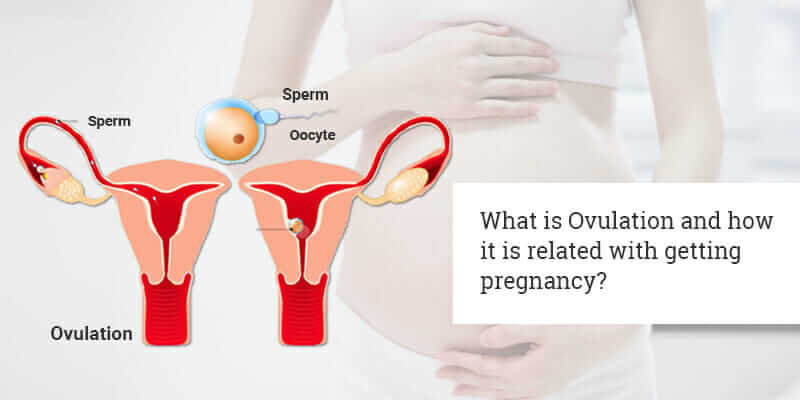
 What Is Ovulation and How Is It Related to Getting Pregnant? Direct Answer Ovulation is the process in which a…June 11, 2026
 If you have been diagnosed with PCOS or PCOD and told you need IVF, your first instinct may be fear.…June 5, 2026
- Every IVF cycle happens inside a laboratory — but the biological environment the laboratory works with is built by you,…June 4, 2026

Begin Your PCOS Treatment Journey at Wellspring IVF, Ahmedabad
You do not need a referral. You do not need to have tried anything before. And you will leave knowing exactly where you stand and what comes next.