
Sperm DNA Fragmentation Test & Treatment in Ahmedabad — The Invisible Male Factor
The Test Most Fertility Clinics Do Not Include in Their Standard Workup
Up to 80% of men with high sperm DNA fragmentation have a completely normal standard semen analysis.
Normal count. Normal motility. Normal morphology. And DNA damage invisible to every standard test — quietly causing failed IVF cycles and unexplained miscarriages.
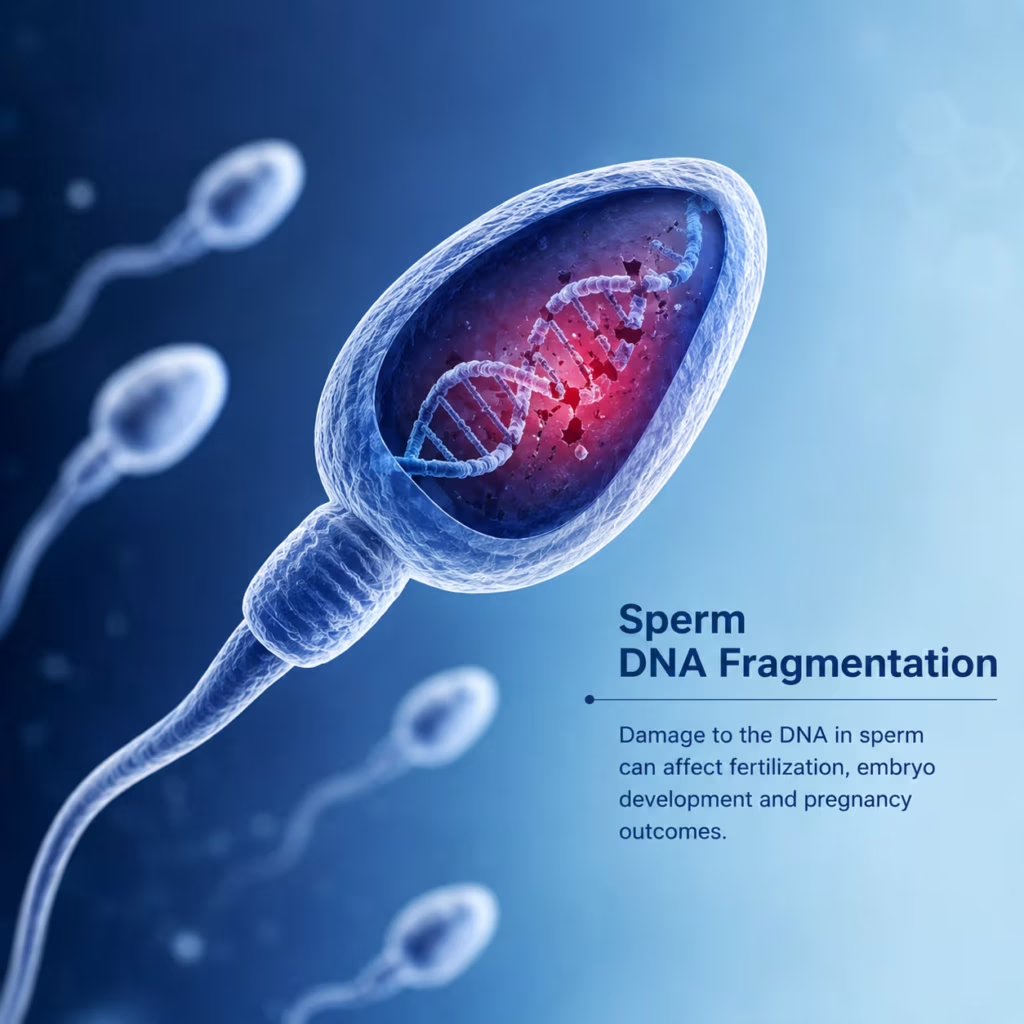
Sperm DNA Fragmentation — At a Glance
 Sperm DNA Fragmentation — At a Glance
 9099946050
What Is Sperm DNA Fragmentation? — Inside the Sperm
Every sperm cell contains 23 chromosomes — one from each of the father’s pairs — tightly wound around protein structures called histones and protamines. This DNA is the father’s genetic contribution to the embryo: approximately 3 billion base pairs of instruction.
DNA fragmentation measures chromatin damage inside the sperm and is a separate question from poor sperm morphology, which describes external form; the two findings can occur together or entirely independently. DNA fragmentation refers to single-strand or double-strand breaks within this packaged DNA. These breaks can occur:
- During spermatogenesis (sperm production) — if DNA replication or packaging is incomplete
- During epididymal transit — if oxidative stress in the epididymis damages the DNA strands
- After ejaculation — if seminal plasma antioxidants are depleted and ROS attack is sustained
The Critical Distinction:
Sperm DNA damage operates at a fundamentally different level from the parameters measured in standard semen analysis. A semen analysis assesses the cell — its presence, movement, and external shape. DNA fragmentation testing assesses the chromosome payload inside the cell. These are independent. A sperm with completely broken DNA can pass every standard semen analysis criterion. It is, in the language of the report, ‘normal.’
The analogy: a USB drive can look undamaged, slide in correctly, and be recognised by the computer — but if the data on the drive is corrupted, the files will not open. The drive itself is fine. The information is not.
Watch Our Video on Role of Sperm DNA fragmentation with Recurrent IVF Failure
Learn how sperm DNA fragmentation can affect embryo quality, implantation, and repeated IVF failure.
What You Will Learn
Understand the role of sperm DNA health in successful fertilization and pregnancy outcomes.
- Sperm DNA fragmentation explained
- Impact on IVF success rates
- Causes of recurrent IVF failure
- Treatment and management options
How High DFI Causes IVF Failure, Miscarriage, and Unexplained Infertility
DFI → Failed Fertilisation or Early Arrest
The fertilisation paradox: A sperm with DNA fragmentation can penetrate the zona pellucida and inject its genetic material into the egg. Fertilisation — as counted on Day 1 of an IVF cycle — is confirmed. The embryo divides. Day 2: 2 cells. Day 3: 6–8 cells. But the DNA damage is now inside the embryo.
Early embryo arrest: The egg’s repair mechanisms (which are responsible for correcting paternal DNA damage in early embryogenesis) have a finite capacity. Minor DNA fragmentation: repaired successfully, embryo develops normally. Moderate-to-severe fragmentation: repair capacity exceeded — embryo arrests at Day 3–5 and stops dividing. In IVF cycles, this presents as: good fertilisation on Day 1, deteriorating embryo quality by Day 3, no blastocysts on Day 5. The sperm ‘worked’ — but the genetic instructions failed.
The blastocyst rate signal: In IVF cycles with high DFI, blastulation rate (proportion of fertilised eggs that reach blastocyst by Day 5) is significantly lower than expected. If you fertilised 8 eggs and only 1 became a blastocyst, and the embryologist reports ‘poor blastulation,’ DFI testing of the partner is strongly indicated. Because high DFI raises the chance of chromosomal errors after fertilisation, PGT-A adds a verification layer, screening embryos before transfer.
DFI → Failed Implantation After Transfer
Embryos that reach transfer but don’t implant: Some embryos with DNA fragmentation survive to blastocyst but carry accumulated DNA damage. Transferred to the uterus, they may fail to implant at all — presenting as a completely negative beta-hCG after transfer. Or they implant briefly — beta-hCG rises then falls — a biochemical pregnancy. In recurrent implantation failure (RIF) — 3+ failed transfers — DFI should be tested before any further cycle.
The problem with relying on embryo morphology alone: Standard embryo grading (Gardner grading for blastocysts) assesses the outer cell layer (trophectoderm — future placenta) and inner cell mass (future baby) under a light microscope. It cannot assess DNA quality. A Grade 5AA blastocyst (top morphological score) can carry significant DNA damage invisible to grading. This is why excellent-grade embryos sometimes fail — and why DFI testing adds information that morphology grading cannot.
DFI → Recurrent Miscarriage
The miscarriage mechanism: When sperm DNA is damaged, the early embryo may develop, implant, and begin placentation — but the cellular DNA repair processes that must operate constantly in the rapidly dividing embryo eventually fail to compensate. At 5–8 weeks, when embryonic cell division is at its most intense, the accumulated errors from the original DNA fragmentation trigger programmed cell death. The pregnancy stops developing — appearing as a missed miscarriage or blighted ovum.
The DFI-RPL connection: In couples with recurrent pregnancy loss (2+ consecutive miscarriages) and no identified female cause, high sperm DFI is found in approximately 30–40% of cases. This is the male side of the recurrent miscarriage investigation — and it is the cause most consistently missed when the investigation focuses exclusively on the female partner.
The normal SA in RPL: In a study of 2969 couples whose partners had recurrent miscarriage, those with high DFI (>25%) had a 2.16-fold higher miscarriage rate compared to men with low DFI — even when standard semen analysis was normal. The standard semen analysis found no abnormality in the majority of these men.
DFI Thresholds — Reading Your Test Result
The DFI result is expressed as a percentage — the proportion of sperm in the sample with fragmented DNA. Here is how to interpret each threshold range and what it means for your fertility treatment:
| DFI Range | Grade | Clinical Meaning | Recommended Approach |
|---|---|---|---|
| <15% | Low | Low fragmentation. Standard reproductive potential. Minimal impact on natural conception, IUI, IVF outcomes. | Standard treatment pathway. No DFI-specific intervention required. |
| 15–25% | Borderline | Reduced pregnancy rates with IUI. Natural conception possible but efficiency reduced. May impair IVF outcomes — especially blastulation. | Antioxidant course (3 months). Reassess. Consider ICSI over standard IVF. Investigate varicocele. |
| 25–50% | High | Significantly reduced IVF success. Associated with recurrent miscarriage and implantation failure. Natural conception unlikely to result in ongoing pregnancy. | Antioxidants + varicocele repair. ICSI with PICSI or MACS. Consider IMSI. Repeat DFI after treatment. |
| >50% | Very High | Severely compromised DNA integrity. Standard IVF/ICSI with ejaculated sperm likely to fail repeatedly. Testicular sperm typically has significantly lower DFI. | TESE (testicular sperm extraction) + ICSI — testicular sperm bypasses epididymal and post-ejaculatory DNA damage. Highly effective. |
Why Testicular Sperm Has Lower DFI Than Ejaculated Sperm:
The majority of sperm DNA fragmentation occurs after sperm leave the testes — during epididymal transit and in the ejaculate itself, under sustained oxidative stress. Sperm retrieved directly from the testis (via TESE) have not undergone this journey and typically show significantly lower DFI — often 15–20 percentage points lower than ejaculated DFI. For men with very high ejaculated DFI (>50%), this difference between testicular and ejaculated sperm is a clinically significant difference. TESE + ICSI bypasses the entire source of the DNA damage.
What Our Patients Say


A special thank you to Dr. Pranay Shah for his confidence, guidance, and the way he explained everything so patiently. His positive approach gave me so much strength, and today I am blessed with my baby.
Thank you to each and every member of the hospital for taking such great care of me and supporting me throughout this journey. Forever grateful. 💕

He is, without a doubt, the most patient doctor I have ever met. Of course, treatment can be done by many. What truly sets him apart is his maturity, the way he pauses, explains, comforts, and most importantly, seeks your permission before moving forward. You never feel rushed. You never feel unheard. You feel respected.
And the staff deserves equal appreciation. They handle even the most anxious and impatient moments with such calm grace and dignity that you slowly find your own heartbeat settling down. It feels less like a clinic and more like a safe space.
I wholeheartedly recommend him to anyone who overthinks, seeks reassurance, or simply needs a doctor who believes comfort is the first step of healing. With him, care begins long before the treatment does.

Highly recommend for their expertise, kindness and dedication. "Turned out dream into reality"



Our gratitude also extends to everyone in your clinic who offered a smile, reassurance, technical support, or a listening ear along the way. We feel incredibly blessed to have chosen your practice for our journey, and we will always cherish the precious gift you helped us receive.
Thank you, from the bottom of our hearts, for making our dream a reality.
800+ Positive Google Reviews
DFI Testing Methods — Which Test Is Best?
DFI Test Comparison — SCSA vs TUNEL vs SCD vs Comet
SCSA (Sperm Chromatin Structure Assay) — Gold Standard
Measures the susceptibility of sperm DNA to acid denaturation. Flow cytometry-based — analyses 5,000+ sperm per sample (highest statistical reliability). Threshold: DFI >25% is high risk. HDS (High DNA Stainability) measures immature sperm — should be <15%. Dr. Shah’s preferred method: most extensively validated in clinical literature with largest published datasets on pregnancy outcome prediction.
TUNEL Assay (Terminal deoxynucleotidyl transferase dUTP Nick End Labeling)
Directly labels and quantifies the actual strand breaks in DNA — both single and double strand. Highly sensitive. Can be combined with ICSI to select individual sperm with intact DNA in real time. Threshold: >25% high risk. Slightly different threshold ranges than SCSA — results between methods are not directly interchangeable.
SCD (Sperm Chromatin Dispersion) / Halosperm Test
Sperm DNA is denatured and an alkaline lysis performed — sperm with intact DNA produce a ‘halo’ of dispersed chromatin loops; sperm with fragmented DNA produce no halo. Simple, low-cost, widely available in India. Threshold: >25% fragmentation. Good correlates with SCSA. Less precise for borderline cases. Dr. Shah accepts SCD results from accredited labs if SCSA is unavailable.
Comet Assay (Single Cell Gel Electrophoresis)
Measures the actual amount of DNA migration from the sperm nucleus under electrophoresis — producing a ‘comet tail’ of damaged DNA. Highly sensitive for detecting low levels of damage. Research tool — less standardised for clinical use. Rarely used for routine clinical DFI measurement in India.
What Wellspring IVF uses
SCSA (preferred) or TUNEL assay for all DFI testing. SCD/Halosperm accepted from external labs. DFI testing is available on referral through our andrology network — results typically available within 5–7 working days. Dr. Shah reviews results personally and explains them at the follow-up consultation.
Causes of High Sperm DNA Fragmentation — What Is Damaging Your Sperm's DNA?
Varicocele — The Single Most Important Modifiable Cause
Varicocele is found in up to 40% of men with high DFI. The venous reflux and elevated testicular temperature create a sustained oxidative environment that attacks sperm DNA during both production and epididymal transit. Microsurgical varicocelectomy consistently produces the largest improvements in DFI of any single intervention — typically reducing ejaculated DFI by 20–30 percentage points within 3–6 months. If varicocele is present with high DFI, repair is Dr. Shah’s first treatment recommendation.
Oxidative Stress from Lifestyle — Smoking, Alcohol, Diet
Smoking: increases DFI by 20–40% — dose-dependent. Cigarettes generate massive free radical load in seminal plasma. Alcohol: depletes testicular antioxidant enzymes (SOD, catalase). Obesity: adipose tissue generates oestrogen and inflammatory cytokines that impair sperm DNA packaging. Poor diet: deficiencies in folate, zinc, selenium, vitamin C/E, CoQ10 — all reduce the antioxidant protection during spermatogenesis.
Advanced Paternal Age
Sperm DNA fragmentation increases measurably with age — particularly after 45. Unlike eggs (where age-related aneuploidy is well established), sperm DNA quality is less commonly discussed in clinical practice. The mechanism: accumulation of oxidative damage to sperm stem cells over time, reduced efficiency of DNA repair mechanisms. DFI testing is particularly valuable in men over 45 with a partner experiencing RPL.
Leukocytospermia — Genital Tract Infection
Elevated WBCs in semen (>1 million/mL) generate profound oxidative stress via hydrogen peroxide and superoxide. WBCs are the most potent cellular source of ROS. Even subclinical prostatitis or epididymitis — producing elevated WBCs without symptomatic infection — significantly elevates DFI. Semen culture + WBC count should always accompany DFI testing.
Elevated Scrotal Temperature — Heat Exposure
All sources of sustained scrotal hyperthermia — fever, prolonged laptop use, sedentary occupation, hot baths, tight underwear — impair DNA packaging efficiency during spermatogenesis. Unlike motility (which recovers within one spermatogenesis cycle), DFI may take longer to normalise after prolonged heat exposure is reduced.
Chemotherapy and Radiation (iatrogenic)
Alkylating agents (cyclophosphamide), radiation therapy, and several targeted therapies cause direct double-strand DNA breaks in spermatogonia. DFI can remain elevated for 12–24 months post-treatment. Semen cryopreservation before cancer treatment is strongly recommended — sperm banked before chemotherapy will have pre-treatment DFI levels.
Incomplete DNA Packaging (Protamine Deficiency)
During the final stages of spermatogenesis, histones are replaced by protamines — small proteins that compact the DNA 6× more tightly. Incomplete protamination leaves DNA vulnerable to oxidative attack and strand breaks. This is a spermatogenic failure issue — identified by high HDS (High DNA Stainability) on SCSA or persistent high DFI despite antioxidant treatment.
Talk to Dr. Shah About Sperm DNA Fragmentation
Who Should Have a DFI Test? — Clinical Indications
DFI testing is not a routine screen for all men. It is a targeted investigation for clinical scenarios where the standard semen analysis has not explained the problem:
Clear Indications for DFI Testing
- Unexplained infertility — normal SA, normal female workup, 12+ months of unsuccessful attempts
- Recurrent miscarriage (2+ losses) — particularly when female RPL workup is normal or incompletely explains the losses
- Recurrent IVF/ICSI failure — good embryos transferred, good endometrium, negative beta-hCG. DFI should be tested before any 3rd IVF cycle.
- Poor blastulation rate in IVF — high fertilisation rate but low Day 5 blastocyst yield
- Severely abnormal sperm parameters — like severe oligospermia, severe asthenospermia, total teratospermia (all morphologically abnormal) because high DFI often accompanies low sperm count and poor sperm motility.
- Leukocytospermia — WBC >1M/mL; high probability of concurrent elevated DFI
- Significant lifestyle exposures — smoker >10 cigarettes/day, heavy alcohol, occupational toxin exposure
- Advanced paternal age (>45) with partner experiencing RPL or IVF failure
- Post-cancer treatment — before attempting conception after chemotherapy or radiotherapy
Your Fertility Consultant
Our fertility specialists are committed to providing personalized, compassionate care with
the latest reproductive medicine techniques.

Dr. Pranay Shah
Divyesh Bhalodia

Urmi Chauhan
Treatment of High Sperm DNA Fragmentation — Dr. Shah's Protocol
Treatment is layered — addressing the source of DNA damage first, then applying advanced sperm selection techniques during IVF to work with the improved (or remaining) fragmentation level:
Targeted Antioxidant Therapy + Lifestyle Restructuring
The 90-day antioxidant protocol for DFI: Coenzyme Q10 (300mg/day) — the principal mitochondrial antioxidant, directly reduces ROS in seminal plasma. Lycopene (4–8mg/day) — significant protective effect on sperm DNA integrity. Vitamin C (1,000mg/day) + Vitamin E (400IU/day) — synergistic free radical scavengers; both are concentrated in seminal plasma specifically to protect sperm DNA. L-carnitine (2g/day) + Acetyl-L-carnitine (1g/day) — membrane protection. Folate (5mg/day) + Zinc (50mg/day) — essential for DNA methylation and repair. Selenium (200mcg/day) — structural component of glutathione peroxidase, the testis’s primary antioxidant enzyme. Omega-3 fatty acids (2g/day EPA/DHA) — membrane fluidity and anti-inflammatory.
Infection treatment (if leukocytospermia confirmed): Doxycycline 100mg BD × 4 weeks or culture-directed antibiotic therapy. Treat both partners for genital tract infection to prevent re-infection. Repeat semen culture and WBC count 6 weeks after completing antibiotics.
Lifestyle changes with specific DFI evidence: Smoking cessation: single highest-yield change — DFI improves by 20–40% within one spermatogenesis cycle (74 days) of stopping. No hot baths/saunas. Laptop on desk, not lap. Loose-fitting cotton underwear. Alcohol: maximum 2 units/day. Ideally none during treatment. BMI: target <25 — adipose-derived oestrogen directly impairs protamination.
Repeat DFI testing: After 90-day treatment course — not before. If DFI has normalised (<15%) or fallen below threshold (25%): proceed with IUI or IVF/ICSI with improved ejaculated sperm. If DFI remains high despite full compliance: consider varicocele workup (if not already done) and escalate to advanced sperm selection.
Varicocele Repair (if confirmed on Doppler)
Why varicocele repair is the most effective DFI treatment: Varicocele creates sustained, chronic oxidative stress within the testis via venous reflux of adrenal metabolites and elevated scrotal temperature. This is not a transient insult — it operates continuously. No antioxidant regimen can fully compensate for an ongoing structural source of ROS. Eliminating the source — via microsurgical varicocelectomy — consistently produces DFI reductions of 20–30 percentage points in the majority of men with clinical varicocele.
Outcomes data: Multiple systematic reviews confirm: microsurgical varicocelectomy improves DFI in 65–75% of men. Post-repair DFI normalises (<15%) in approximately 40% of cases. Natural pregnancy rates improve substantially. IVF outcomes with post-repair sperm are significantly better than with pre-repair sperm — even when morphology and motility are unchanged.
Timing relative to IVF: If the couple’s timeline permits: repair, wait 3–6 months, retest DFI, then proceed to IVF with improved sperm. If the female partner is ≥37 or has reduced ovarian reserve: IVF with PICSI/TESE may be preferred over waiting — the time cost of surgery + recovery exceeds the benefit.
Microfluidic Sperm Sorting (Zymot / Fertile Chip)
What it is : An advanced, non-centrifugal sperm separation technique designed to isolate highly motile, morphologically normal sperm with exceptionally low DNA fragmentation without exposing them to the physical stress of centrifugation.
How it works: Traditional sperm preparation uses high-speed centrifugation, which can generate reactive oxygen species (ROS) and induce physical DNA strand breaks. Microfluidic sorting chips use microscopic channels that mimic the natural physiological barriers of the female reproductive tract. Only healthy, fast-swimming sperm with intact DNA can actively swim across the micro-barrier into the collection chamber, leaving damaged sperm behind.
Clinical application: For couples dealing with high DFI or recurrent IVF failure, microfluidic sorting (such as Zymot chips) provides a gentle, effective alternative or supplement to standard preparation, ensuring only the highest-quality genetic payload is used for ICSI Treatment.
Advanced Sperm Selection — PICSI and MACS
PICSI — Physiological ICSI: PICSI (Physiological Intracytoplasmic Sperm Injection) selects sperm by their ability to bind to hyaluronan — a natural glycoprotein present in the egg’s zona pellucida. Mature, genetically intact sperm have hyaluronan receptors on their head; immature sperm with DNA damage and excess cytoplasm do not. In PICSI, sperm are placed in a dish containing microscopic hyaluronan dots. Only sperm that bind to the dots — the hyaluronan-binding, mature, lower-DFI population — are selected for injection. Clinical evidence: PICSI-selected sperm have 5–7× lower DFI than unselected sperm from the same ejaculate. PICSI improves blastocyst development rate, reduces miscarriage rate, and improves live birth rate in men with high DFI.
MACS — Magnetic-Activated Cell Sorting: MACS (Magnetic-Activated Cell Sorting) separates apoptotic (programmed cell death) sperm from healthy sperm using magnetic beads coated with Annexin V — a protein that binds to phosphatidylserine, which is externalised on the membrane of sperm undergoing apoptosis. Apoptotic sperm have: high DNA fragmentation, reduced fertilisation potential, and impaired embryo development capacity. MACS depletes these from the sample — enriching the preparation for healthy, lower-DFI sperm. Particularly effective when PICSI alone does not provide sufficient numbers of binding sperm.
PICSI vs ICSI vs IMSI — when to use which: Standard ICSI: no DFI selection — sperm chosen by morphology at 200–400× only. PICSI: hyaluronan binding selection — reduces DFI before selection. Best evidence for high DFI with adequate hyaluronan-binding sperm numbers. IMSI: 6000× magnification selection — removes morphologically abnormal sperm invisible at standard ICSI magnification. When DFI is elevated, IMSI lets the embryologist visually identify and reject the individual sperm carrying nuclear damage before injection — something a standard DFI test and standard ICSI cannot do. Combines well with PICSI pre-selection. MACS: depletes apoptotic sperm before any ICSI technique. Combination MACS + PICSI: best results in very high DFI cases with ejaculated sperm.
TESE — Testicular Sperm Extraction for Very High Ejaculated DFI
The biological basis: The majority of sperm DNA damage occurs during and after epididymal transit — the 2–3 week journey from testis to ejaculate. Sperm within the testis, just released from Sertoli cells, have not yet been exposed to the epididymal and seminal plasma oxidative environment. In men with very high ejaculated DFI, testicular sperm (retrieved via TESE) typically show DFI values 15–30 percentage points lower than ejaculated DFI. A man with ejaculated DFI of 65% may have testicular DFI of 25–35% — within the range that PICSI/ICSI can work with effectively.
TESE procedure at Wellspring IVF: Testicular Sperm Extraction (TESE) or Micro-TESE is performed under short general anaesthesia as a day procedure. Small testicular tissue samples are retrieved and processed by our embryologist to extract sperm. The retrieved sperm can be used fresh for ICSI in the same cycle or cryopreserved for future frozen embryo transfer cycles. Full procedure guide: TESE/PESA at Wellspring IVF
Expected outcomes: TESE + ICSI in men with very high ejaculated DFI: significantly improved fertilisation rates, blastulation rates, and live birth rates compared to ejaculated sperm ICSI in the same patients. Miscarriage rates are substantially reduced. Multiple studies confirm that for high DFI cases, testicular sperm is clinically superior to ejaculated sperm for ICSI.
“I see couples almost every month who come after two failed IVF cycles with top-grade blastocysts. The female workup is pristine. The embryos were excellent. Nobody tested the sperm DNA. When we test it — DFI is 38%, 44%, 51%. The embryos looked perfect on the outside because morphology grading cannot see inside the nucleus. We switch to PICSI or testicular sperm. The next transfer works. The answer was there the whole time — it just required a test that was never ordered.”
— Dr. Pranay Shah, MS (ObGy), Director & Chief Fertility Consultant, Wellspring IVF & Women’s Hospital, Ahmedabad
Frequently Asked Questions
My semen analysis is completely normal. Do I still need a DFI test?
Possibly — depending on your clinical history. If you have: unexplained infertility (12+ months trying, normal female workup), recurrent miscarriage, or failed IVF cycles with good embryos and good endometrium — then yes, DFI testing is specifically indicated despite a normal SA. Up to 80% of men with high DFI have a normal standard semen analysis. The SA is not designed to detect DNA damage — it is designed to count and classify sperm. These are different tests measuring different things.
Can I improve my DFI with supplements alone?
For mild-moderate DFI (15–35%) without an underlying structural cause like varicocele: yes, a 90-day antioxidant protocol can meaningfully reduce DFI. Published data show DFI reductions of 10–20 percentage points with structured antioxidant therapy in men without varicocele. However, if varicocele is present, no supplement regimen will match the DFI reduction achieved by treating the source of the oxidative stress. And for DFI >50%, supplements alone are rarely sufficient — PICSI, MACS, or TESE are required.
Does high DFI mean my baby will have genetic problems?
No — these are different kinds of DNA issues. DFI measures strand breaks in the DNA molecule — physical damage to the structure of the genetic material. Chromosomal abnormalities (aneuploidy) — the cause of Down syndrome and most miscarriages — are errors in the number or structure of whole chromosomes, detected by PGT-A. High DFI is associated with miscarriage and IVF failure, not with chromosomal birth defects in babies that are born. However, very high DFI with successful pregnancy may be associated with a slightly increased risk of neurodevelopmental issues — the evidence is evolving and Dr. Shah discusses this in context at consultation.
What is PICSI and how is it different from standard ICSI?
In standard ICSI, the embryologist selects a sperm based on what it looks like under a microscope — size, shape, movement. In PICSI, sperm are first exposed to hyaluronan — a natural molecule found on the egg’s surface. Only mature, genetically intact sperm bind to hyaluronan. The embryologist selects only hyaluronan-binding sperm for injection. This results in sperm with 5–7× lower DFI than unselected sperm from the same sample. PICSI is performed at Wellspring IVF for all cases with confirmed high DFI or recurrent implantation failure.
How long does it take to reduce DFI after treatment?
Minimum 74–90 days — one complete spermatogenesis cycle. This is the same biological constraint as for motility improvement. A DFI test repeated at 4 weeks measures sperm already in production before treatment started. At Wellspring IVF & Women’s Hospital, we retest at 3 months, then at 6 months if needed. After varicocele repair, sperm quality continues to improve for up to 12 months — the 6-month retest captures the most complete picture.
We have had two miscarriages. Should my DFI be tested?
Yes — definitively. Recurrent miscarriage investigation must include both partners. Female RPL workup (APS, thrombophilia, uterine cavity, thyroid, chromosomes) identifies the cause in approximately 50–60% of couples. In the remainder — ‘unexplained’ RPL — high paternal DFI is found in 30–40% of cases. It is the most consistently missed male cause of miscarriage. DFI testing is now included in Dr. Shah’s standard RPL workup for both partners simultaneously. Read more: Recurrent Miscarriage Treatment at Wellspring IVF
Is TESE safe? Will it affect my testicular function?
TESE performed at a specialist centre carries low risk when performed correctly. Small biopsy samples are taken — the procedure does not significantly affect testicular volume or hormonal function. Testosterone levels are preserved in the vast majority of men after TESE. In Micro-TESE (microsurgical TESE), magnification is used to identify the most sperm-rich tubules, minimising tissue removed. Short-term scrotal discomfort for 5–7 days. Return to normal activity in 1–2 weeks. Full procedure details: TESE/PESA at Wellspring IVF
My DFI is 32%. Is IUI still an option, or should we go straight to IVF?
At DFI 32% — in the high-normal to mildly elevated range — IUI is unlikely to succeed and Dr. Shah would not recommend it as first-line treatment. IUI prepares the sperm but does not select against DNA fragmentation — the same proportion of high-DFI sperm will be inseminated. The recommendation at this level: start the 90-day antioxidant protocol, assess for varicocele, retest DFI at 3 months. If DFI falls below 25%: IUI becomes viable. If DFI remains above 25%: IVF with PICSI gives the best probability of success.
How much does a DFI test and treatment cost at Wellspring IVF?
The cost depends on the diagnostic and therapeutic tier required. The DFI test (SCSA or TUNEL assay) typically ranges between ₹5,000 to ₹7,000 depending on the specific assay chosen. For treatment, a targeted 90-day antioxidant protocol is highly affordable, whereas advanced ART procedures like PICSI, MACS, or TESE-ICSI involve cycle-specific laboratory costs. You can review our transparent itemised estimates in our IVF + ICSI Cost Guide, with a complete breakdown and personalized guidance provided by Dr. Pranay Shah during your consultation with no hidden charges.
Related Pages — Male Infertility at Wellspring IVF
Related Insights & Articles
 How to Increase Sperm Count Naturally: A Fertility Specialist's Guide Quick Answer Yes, it is often possible to increase sperm…June 11, 2026
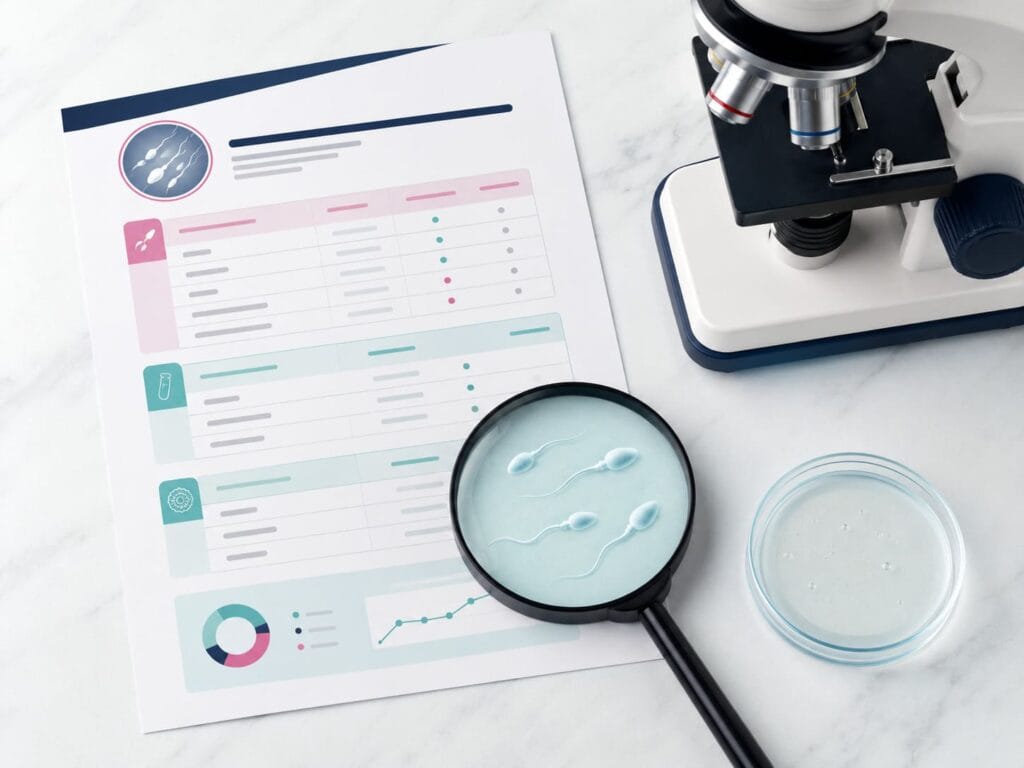
 Most men receive their semen analysis report as a printout of numbers — without anyone explaining what those numbers mean.…June 5, 2026
 Why IVF Fails: What to Do If Your IVF Cycle Is Unsuccessful Direct Answer IVF failure can occur for many…May 1, 2025

The Invisible Problem Has a Visible Solution.
If you have a normal semen analysis and still cannot conceive — or have had miscarriages or failed IVF cycles — Dr. Pranay Shah will test what the previous doctor did not.