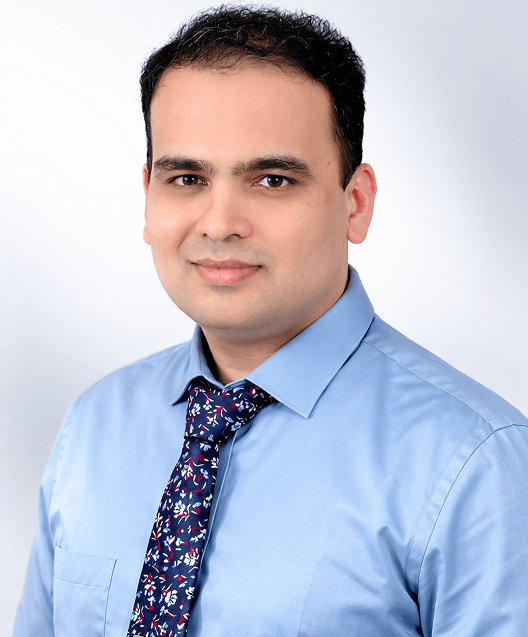

Medically Reviewed by Dr. Pranay Shah, MS (Obs. & Gyn.), ART Certificate Course in Reproductive Medicine (Cleveland Clinic, USA) | Founder & Medical Director, Wellspring IVF & Women’s Hospital, Satellite, Ahmedabad | Last medically reviewed: 25 October 2026
Preparing for an In Vitro Fertilisation (IVF) cycle is not something that begins on the day you take your first hormone injection—it requires an intentional 90-day clinical and lifestyle runway. This 90-day window mirrors the exact biological timeline during which microscopic primordial follicles mature into dominant oocytes and sperm undergo complete spermatogenesis. Foundational pre-IVF precautions include normalizing endocrine markers (TSH <2.5 mIU/L, HbA1c <5.7%, 25-OH Vitamin D >30 ng/mL), targeted micronutrient supplementation (Folic acid, CoQ10, Myo-inositol for PCOS), eliminating ovarian and sperm toxicants (tobacco, alcohol, excessive caffeine, BPA), and completing statutory pre-ART viral screening under the ART Act 2021.
When a couple decides to begin an In Vitro Fertilisation (IVF) cycle, the natural reaction is to focus entirely on the medical calendar: the first injection date, egg retrieval morning, and the embryo transfer. Yet in reproductive endocrinology, what happens in the three months before your first stimulation injection sets the biological foundation for how your ovaries respond to medication, the quality of eggs retrieved, and how receptive your uterine lining will be.
Neither eggs nor sperm mature overnight. The eggs that will be retrieved during your cycle entered their final, rapid-growth gonadotropin-responsive phase roughly 90 to 120 days ago. Similarly, the sperm that will fertilise those eggs take 74 days to develop inside the testes.
At Wellspring IVF & Women’s Hospital, widely regarded as the best IVF center in Ahmedabad, we guide couples through a structured pre-cycle optimization protocol before commencing any IVF treatment in Ahmedabad. Led by Dr. Pranay Shah, this comprehensive guide outlines the exact clinical, hormonal, nutritional, and procedural precautions both partners should take to maximize safety, egg quality, and first-cycle success.
The 90-Day Pre-IVF Timeline: Why Early Preparation Matters
Human oocytes reside in the ovaries in a dormant state for decades. Roughly three to four months before a menstrual cycle, a cohort of microscopic pre-antral follicles is recruited into active growth. During this 90-day window:
- Follicles develop blood vessels and hormone receptors (FSH and LH receptors).
- The follicular fluid surrounding each egg is formed, directly mirroring the mother’s metabolic health, blood sugar levels, inflammatory markers, and circulating antioxidants.
- Mitochondrial DNA duplication occurs inside the oocyte to power future fertilisation and early embryonic cleavage.
If follicular fluid contains elevated oxidative free radicals, inflammatory cytokines, or high glucose levels, the egg’s meiotic spindle—the delicate apparatus that pulls chromosomes apart—can become damaged, increasing the risk of chromosomal aneuploidy. Taking intentional precautions 90 days prior to stimulation protects this microenvironment.
Master Pre-IVF Preparation Checklist for Both Partners
To ensure no critical factor is overlooked, we structure pre-IVF precautions across five distinct clinical categories:
| Pre-IVF Category | Specific Precautions & Medical Targets | Why It Is Critical for IVF Success | Timeline to Start |
|---|---|---|---|
| 1. Endocrine & Metabolic Optimization | • TSH: Target 0.5–2.5 mIU/L (correct subclinical hypothyroidism with levothyroxine).• HbA1c & Fasting Glucose: Target HbA1c <5.7% (optimize insulin sensitivity in PCOD and PCOS patients).• Serum 25-OH Vitamin D: Target >30–40 ng/mL (correct deficiency with cholecalciferol).• Serum Prolactin: Must be normal to prevent impaired folliculogenesis. | Elevated TSH or uncontrolled blood glucose significantly increases early miscarriage rates and blunts ovarian response to gonadotropins. | 60 to 90 Days before stimulation starts. |
| 2. Nutritional & Supplement Protocol | • Both Partners: Methylated Folate / Folic acid (5 mg/day) + Coenzyme Q10 (Ubiquinol 200–400 mg/day for mitochondrial ATP).• Women with Low AMH: Consider DHEA priming (under strict clinical monitoring) and antioxidant support (Low AMH IVF Protocol).• Women with PCOS: Myo-Inositol + D-Chiro-Inositol (40:1 ratio) + Metformin if insulin resistant.• Men: Zinc, L-Carnitine, Vitamin C, Vitamin E to reduce sperm DNA fragmentation. | Supplements require 8 to 12 weeks of continuous intake to accumulate in follicular fluid and developing spermatozoa. | 90 Days prior to cycle start. |
| 3. Toxicant & Environmental Cleanse | • Complete Tobacco & Nicotine Cessation: No cigarettes, bidis, vaping, or gutkha.• Alcohol Abstinence: Both partners should stop alcohol intake.• Caffeine Moderation: Limit to <200 mg/day (1 small cup of coffee/tea).• Plastics & Phthalates: Stop microwaving food in plastic containers; switch to glass or stainless steel. | Nicotine accelerates follicular depletion, hardens the zona pellucida, and causes double-strand breaks in sperm DNA. | Immediate (minimum 60–90 days). |
| 4. Uterine & Anatomical Clearance | • Diagnostic Office Hysteroscopy: Inspect the cavity for subtle polyps, endometritis, or adhesions.• Screen for Hydrosalpinx: Treat fluid-filled tubes laparoscopically before embryo transfer.• Check Rubella & Thalassemia Status: Statutory genetic and infectious disease clearance. | Transferring an embryo into a compromised uterine cavity reduces implantation rates by 50% regardless of embryo grade. | 30 to 60 Days before transfer. |
| 5. Financial & Statutory Formalities | • Review your written, itemised cycle quote to avoid surprise add-on charges (10 Questions to Ask Before Paying for IVF).• Complete legal Aadhaar and marriage verification under the ART Act 2021. | Transparency eliminates financial stress, which directly benefits emotional well-being during stimulation. | 15 to 30 Days prior to stimulation. |
4 Lifestyle Precautions Every Woman Should Take Before Stimulation
1. Maintain a Moderate-Intensity Physical Routine (Avoid Extreme Exertion)
Regular physical activity improves pelvic blood flow and insulin sensitivity. However, when preparing for IVF, the intensity of exercise matters:
- Recommended: Brisk walking, light swimming, gentle yoga, and light stretching (30–45 minutes, 4–5 days per week).
- Precautions to Avoid: High-intensity interval training (HIIT), marathon running, intense abdominal crunches, or heavy powerlifting. During ovarian stimulation, ovaries swell from the size of a walnut to the size of an orange; strenuous jumping or twisting movements can trigger ovarian torsion (a surgical emergency where the enlarged ovary twists on its blood supply).
2. Follow a High-Protein, Low-Glycemic Dietary Pattern
A Mediterranean-style dietary framework rich in leafy greens, whole grains, lentils (dals), nuts, seeds, olive oil, and paneer/lean protein provides essential micronutrients and omega-3 fatty acids without causing insulin spikes. Avoid crash diets or rapid weight-loss regimens immediately before an IVF cycle, as caloric starvation tricks the hypothalamus into entering a conservation state, reducing pituitary gonadotropin release.
3. Review All Over-the-Counter and Prescription Medications
Certain common medications interfere with ovulation, implantation, or embryo safety:
- NSAIDs (Ibuprofen, Naproxen, Diclofenac): Inhibit prostaglandin synthesis required for follicular rupture and endometrial preparation. Switch to paracetamol for mild analgesia.
- Steroids & Retinoids: Topical or oral isotretinoin (acne treatments) must be discontinued well in advance due to severe teratogenic risks.
- Herbal & Unregulated Powders: Discontinue unverified ayurvedic or herbal concoctions that may contain heavy metals or unregulated phytoestrogens that disrupt cycle timing.
4. Prioritize Sleep Quality and Circadian Alignment
Melatonin is not just a sleep hormone—it is one of the most powerful natural antioxidants found in human follicular fluid, protecting developing eggs from oxidative fragmentation. Aim for 7 to 8 hours of uninterrupted sleep in a completely dark room, and turn off smartphones and blue-light screens at least 45 minutes before bedtime.
Essential Precautions for the Male Partner
Male factor infertility contributes to nearly 50% of all IVF cycles. Because sperm quality directly influences fertilisation rates, blastocyst formation, and miscarriage risk, the male partner must observe specific precautions:
- Avoid Testicular Heat Stress: Keep laptops off your lap, avoid saunas and hot tubs, and wear loose cotton boxers. Intratesticular temperature must remain 2°C to 4°C below core body temperature for normal spermiogenesis.
- Report Recent Fevers or Infections: A high viral fever (such as Dengue, Malaria, or severe COVID) within the past 90 days can temporarily cause severe sperm DNA fragmentation and transient oligospermia. Always notify your fertility doctor if you had a fever >38.5°C in the last three months.
- Observe the Exact Abstinence Window: Provide the semen sample for egg retrieval day (or cryopreservation) after exactly 2 to 4 days of sexual abstinence. Shorter windows can reduce total sperm count, while abstinence exceeding 5 to 7 days leads to older, oxidised sperm with high DNA fragmentation.
What Happens if You Are Not Fully Prepared?
Couples often ask: “Can’t we just start injections tomorrow and make lifestyle changes along the way?”
While urgent cycles are sometimes necessary (for example, emergency fertility preservation and egg freezing before cancer chemotherapy), rushing into an elective cycle with uncontrolled thyroid disease, severe Vitamin D deficiency, active smoking, or uncorrected intrauterine polyps significantly increases the risk of poor follicular response, canceled cycles, or failed implantation of precious embryos.
Taking 60 to 90 days to prepare your body does not delay your journey—it protects your emotional and financial investment and maximizes your chance of achieving a healthy live birth in your very first cycle. For a complete understanding of cycle investments, explore our transparent guide to transparent IVF cost and treatment planning.
Frequently Asked Questions
Do I need to take complete bed rest or leave my job before starting IVF injections?
Should I go on a strict crash diet or keto diet to lose weight quickly the month before my IVF cycle?
Ideally, 90 days before your cycle starts. Both oocyte recruitment and spermatogenesis require roughly three months. Starting supplements like CoQ10, Folic Acid, and Vitamin D only one week before injections gives them insufficient time to influence egg or sperm cellular biology.
Can my husband and I have sexual intercourse in the weeks leading up to our IVF cycle?
Intercourse is generally safe during the first 5 to 6 days of stimulation. However, once follicles reach 14 to 15 mm (around Day 7 onward), the ovaries become significantly enlarged and tender. Intercourse during the late stimulation phase should be avoided to prevent ovarian discomfort, accidental cyst rupture, or ovarian torsion, and to ensure the male partner observes the mandatory 2-to-4-day abstinence window before egg retrieval morning.
Do I need to stop drinking tea or coffee completely before starting IVF?
Under Section 21 of the Assisted Reproductive Technology (Regulation) Act, 2021, both partners must undergo mandatory statutory screening for HIV 1 & 2, Hepatitis B (HBsAg), Hepatitis C (Anti-HCV), VDRL/Syphilis, complete blood counts, and blood grouping prior to beginning any ART cycle.
Personalized Pre-IVF Consultation in Ahmedabad
At Wellspring IVF & Women’s Hospital, every couple receives a personalized pre-cycle diagnostic audit tailored to their age, ovarian reserve, and medical history. To schedule an in-person or video consultation with Dr. Pranay Shah, get in touch with our clinic:
- Hospital Address: Titanium City Center Mall, 440, 100 Feet Anandnagar Road, near Sachin Tower, Satellite, Ahmedabad, Gujarat 380015 (Registered Level 2 ART Clinic No. GS/AHD/024)
- Appointments & WhatsApp: +91 90999 46050
- OPD Timings: Monday to Saturday, 10:00 AM to 4:00 PM
References
- Practice Committee of the American Society for Reproductive Medicine. Optimizing natural fertility: a committee opinion. Fertility and Sterility. 2022;117(1):83–97.
- ESHRE Guideline Group on Ovarian Stimulation, Bosch E, Broer S, Griesinger G, Grynberg M, Humaidan P, et al. ESHRE guideline: ovarian stimulation for IVF/ICSI: an update in 2025. Human Reproduction. 2026;41(4):498–529.
- Effect of weight loss before in vitro fertilization in women with obesity or overweight and infertility: a systematic review and meta-analysis. Scientific Reports / Nature. 2024;14:6153.
- Best Practice Recommendations for Infertility Management: Pre-ART Optimization. Journal of Human Reproductive Sciences / PMC10942128. 2024;17(1):1–46.
- Schlegel PN, Sigman M, Collura B, et al. Diagnosis and treatment of infertility in men: AUA/ASRM guideline. Fertility and Sterility. 2021;115(1):54–61.
- The Assisted Reproductive Technology (Regulation) Act, 2021 (Act No. 42 of 2021). Ministry of Law and Justice, Government of India. Published December 2021.